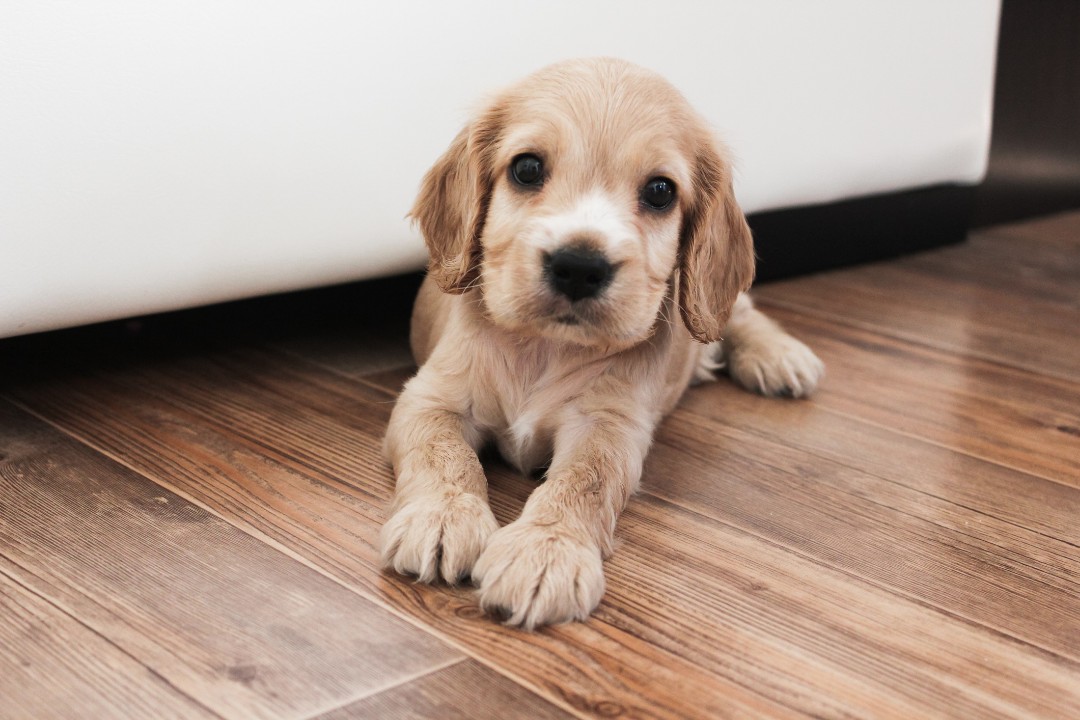

The daily activities of pets, running, scratching, eating, drinking, and the occasional accident, put your wood floors through more wear and tear than nearly anything else in the house. Fortunately, there are proven ways to protect hardwood floors in a home with pets, through DIY cleaning and maintenance, and occasional professional care.
Whether you’re a first-time dog owner moving into a new home or you’re trying to restore damaged floors, this guide covers everything you need to know to protect your hardwood floors from pets and maintain wood floors over the long haul.
How Pets Damage Hardwood Floors
To effectively protect wood floors, it’s important to understand exactly how pet damage on wood floors happens. The impact of a pet on your hardwood is different from ordinary foot traffic, and it shows up in a few distinct ways.
Dogs and Hardwood Floor Scratches
Scratches are the most common and visible form of pet damage on wood floors. Dog nails, especially on larger breeds and dogs that don’t get frequent trims, act almost like sandpaper on your floor’s finish every time your dog runs across the room. Over time, those scratches accumulate into a dull, worn surface that no amount of mopping can restore.
Dogs and hardwood floor scratches happen most frequently in high-traffic paths: the hallway from the back door, the area around food and water bowls, and in front of the couch. Every time your dog jumps, makes a sharp turn, or simply paces, those nails drag across the wood. The impact is gradual but cumulative.
Heavy breeds amplify the problem. An 80-pound Labrador exerts far more pressure per nail than a 12-pound terrier, which means larger dogs cause deeper scratches and dents in a shorter timeframe. It’s one of the primary concerns for dog owners choosing or maintaining a hardwood floor.
Cats’ Impact on Wooden Flooring
Cats’ impact on wooden flooring is generally less severe than dogs. Their impact is most pronounced when they use the floor as a launching pad for jumping, or when they scratch at the floor’s surface the way they might scratch a post. Cat nails are sharper than dog nails and can cut into the finish of softer wood species, particularly in areas near their favorite resting spots.
The risk of denting floors is lower because cats are generally lighter than dogs. Overall, a cat is less likely to cause serious structural damage to a hardwood floor, but scratches on hardwood floors from cats in the same spots over time can lead to visible damage.
Moisture: Water Bowls, Wet Paws, and Accidents
Scratch damage is visible but relatively surface-level. Moisture damage, however, is a deeper problem. Water from pet water bowls that splash or overflow, wet paws from playing outside, and pet urine all introduce moisture to your hardwood floor in ways that can cause long-term structural damage.
Wood is porous by nature. When liquid sits on a wood floor long enough, it begins seeping into the wood through the seams between wood planks and through any breaks in the finish. Once moisture gets below the surface, it can cause the wood to swell, cup, warp, or discolor in ways that simple cleaning won’t fix.
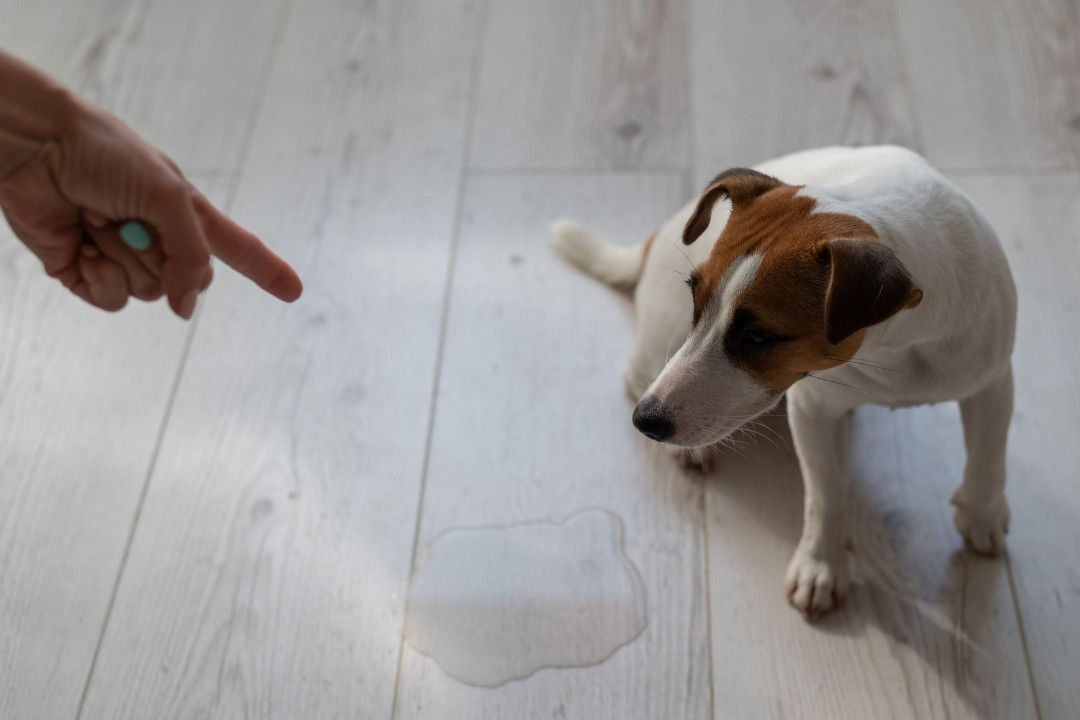
Dog urine damage to hardwood is in a category of its own. A small accident cleaned up within a few minutes is unlikely to cause lasting damage. Because urine is acidic, dog urine left on the floor begins breaking down the floor’s finish. Repeated accidents in the same spot, or accidents that go unnoticed overnight, allow the urine to penetrate deep into the wood itself. Once urine gets past the finish layer, it can permanently stain the wood, cause dark discoloration that looks grayish or black, and create odors that are nearly impossible to remove without sanding.
This is one of the most serious forms of pet damage on wood floors, and it’s the one that most often leads homeowners to need a professional refinish rather than a simple cleaning.
Dirt, Grit, and Everyday Wear
Your pet’s paws track in more than mud. Sand, grit, and small debris stick to paws and get carried across your hardwood floor with every step. That grit acts like fine sandpaper with each pass, dulling the finish over time. It’s a slower form of damage than scratching, but it’s constant, and it affects the overall appearance of your tile and grout floor look just as it does hardwood. Without regular sweeping and vacuuming, this surface abrasion steadily erodes the protective wear layer on your floors.

How to Protect Hardwood Floors From Pets: Practical Strategies
Whether you’re working with existing hardwood or planning new floors, there are basic steps you can take to protect hardwood from pets and prevent damage before it becomes a bigger problem.
Keep Your Pet’s Nails Trimmed
This is the single most effective thing you can do to prevent pet scratches on wood floors. Short nails mean less surface contact, less digging, and fewer scratches on hardwood. Make nail trimming part of your regular routine, especially for larger dogs whose nails grow quickly and apply more pressure with every step.
For dogs that resist nail trimming, a professional groomer can handle it quickly and safely. Trim dog nails every two to four weeks depending on the breed and how quickly the nails grow. Staying on that schedule is one of the most cost-effective ways to protect your hardwood floors from scratches long-term.
Use Rugs in High-Traffic Areas
Area rugs and runners are one of the best tools for protecting your hardwood floor from the areas that see the most pet activity. Placing rugs in high-traffic areas like hallways, entryways, and the main paths your dog uses most absorbs the impact of pet nails before they reach the wood below.
Look for pet-friendly rug options made from durable, low-pile materials that are easy to clean and won’t trap odors or allergens. Rugs in high-traffic areas also protect the floor’s finish from the grit and debris your pet tracks in from outside, which reduces the abrasive wear on your floors over time.
Wipe Down Paws After Outdoor Time
Every time your dog comes in from outside, paws carry in dirt, sand, and grit that will scratch your hardwood floor with each step across the room. Keeping a towel near the door and wiping down paws after walks significantly reduces the abrasive debris that gets tracked across your wood floors each day. It takes seconds and prevents the kind of cumulative surface dulling that builds up over months.
Place Waterproof Mats Under Water Bowls
Water bowls are one of the most overlooked sources of moisture damage on hardwood floors. Dogs splash, overfill, and knock water bowls regularly, and that water sits directly on the wood if nothing is underneath. A waterproof mat under both food and water bowls protects the hardwood underneath from repeated moisture exposure and makes cleanup easy when spills happen.
Clean Up Accidents Immediately
Pet accidents on hardwood are manageable if addressed immediately. Blot the urine with a clean cloth to absorb as much liquid as possible, then clean the area with a hardwood-safe cleaner. Speed matters here. The longer dog urine sits on the floor, the more it penetrates the finish and begins working its way into the wood itself.
For hardwood floors that have already suffered from repeated urine accidents and show dark staining or permanent discoloration, a professional wood floor refinishing service is often the only way to fully restore the floor. Revive Home Services offers hardwood floor refinishing that addresses deep staining, scratches, and finish damage, bringing your floors back without the cost and inconvenience of full replacement.
How to Maintain Wood Floors With Pets: Day-to-Day Habits
Maintaining wood floors with pets is about building consistent habits that protect the floor’s finish and catch problems early.
Sweep and Vacuum Frequently
Dirt, pet hair, and grit accumulate on hardwood floors faster in a pet household than in any other home. Frequent sweeping or vacuuming, ideally every day or every other day in high-traffic areas, removes abrasive particles before they have a chance to work their way into the floor’s surface. Use a vacuum with a hardwood floor setting or a soft-bristle attachment to avoid scratching the floor during cleaning.
Avoid wet mopping as your primary cleaning method. Excess water is one of the most damaging things you can regularly expose a hardwood floor to. A lightly dampened mop with a hardwood-safe cleaner is the right approach when mopping is needed. For more detailed guidance, Revive’s article “Best Ways to Clean Hardwood Floors in Open Spaces” covers the cleaning methods that protect your floors between professional visits.
Use Pet-Friendly Cleaning Products
Not every floor cleaner is safe for hardwood, and some products can actually break down the finish faster, especially with repeated use. Use pH-neutral, hardwood-safe cleaners and avoid anything with harsh chemicals, wax build-up potential, or oil-based formulas. Avoid common cleaning mistakes that accelerate wear by reviewing Revive’s guide to common hardwood floor cleaning mistakes to avoid.
Address Scratches Early
Minor surface scratches are an inevitable part of maintaining your floors in a pet household. The key is addressing them before they multiply into a pattern that requires full refinishing. A hardwood floor touch-up marker or a small amount of matching stain can conceal shallow scratches and prevent them from worsening. For deeper scratches that have broken through the finish layer, a professional screen and recoat can restore the floor’s protective layer without a full sand-down.
Revive’s screen and recoat service is specifically designed for situations where 95% of the damage lives in the protective wear layer. It’s a cost-effective way to refinish your wood floors and restore their appearance without the expense or disruption of a full refinish. Learn more about when to clean vs. refinish in our article “Hardwood Floor Cleaning vs. Refinishing: What’s The Difference“.
When to Call a Professional: Restoring Pet-Damaged Hardwood Floors
There’s a limit to what regular maintenance and at-home care can accomplish. When pet damage has gone past the surface, professional wood floor restoration is the right call.
Signs Your Hardwood Floor Needs Professional Attention
Your floors are telling you they need help if you notice any of the following: deep scratches that have cut through the finish into bare wood, dark staining or gray discoloration from urine that hasn’t responded to surface cleaning, widespread dullness that mop-and-clean can no longer address, or cupping and warping in areas near water bowls or frequent accident spots. These are not cosmetic problems that touch-up products will fix. They require professional assessment and intervention.
What Professional Hardwood Floor Refinishing Covers
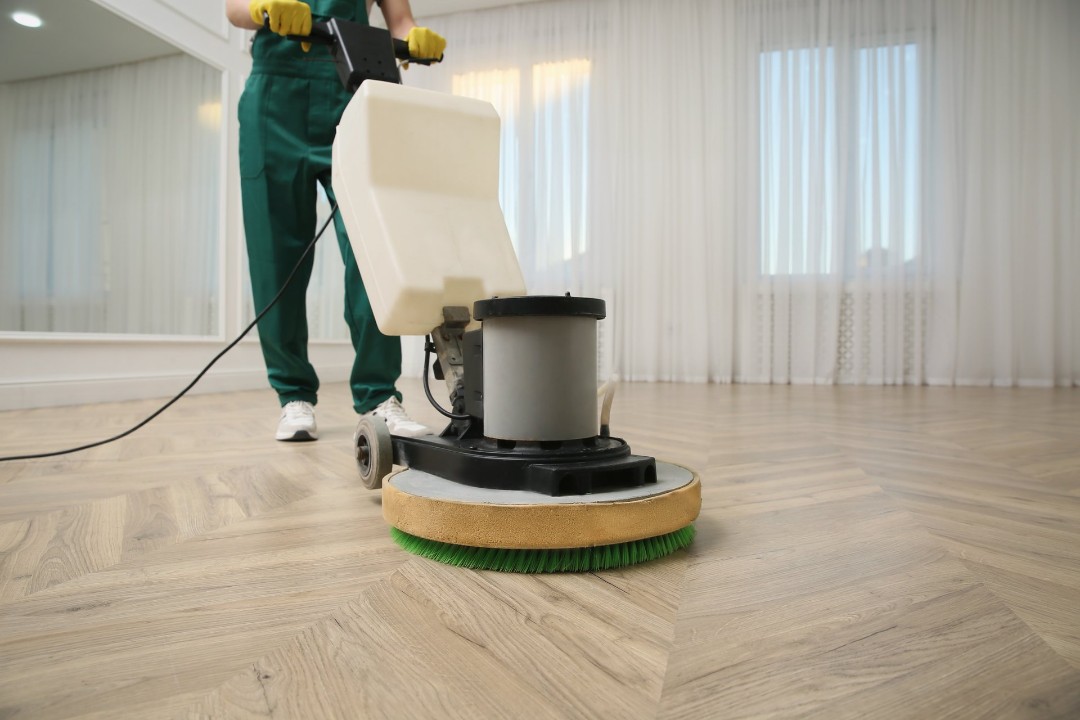
Revive Home Services has a comprehensive screen and recoat process designed to protect hardwood floors and restore their beauty without the mess and expense of full sanding. The process removes scratches, scuffs, and dullness from the wear layer where most pet damage accumulates, then applies a fresh coat of high-quality 2K finish to restore protection and shine.
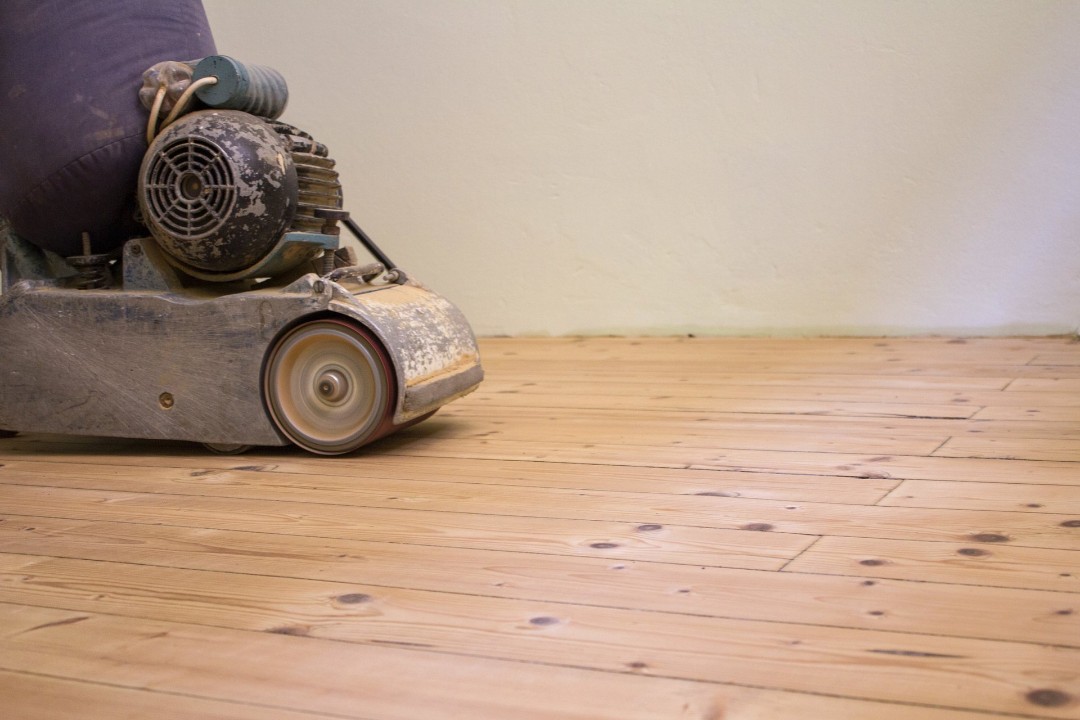
For floors with deeper damage, including pet urine staining that has penetrated beyond the finish, a full refinish may be needed. This involves sanding down to the bare wood, which gives you a completely fresh surface to work with. It’s one of the best ways to fully reset floors and recreate a pristine look after years of pet wear and tear.
After any professional refinishing service, Revive uses a UV-cure process that lets your family and pets back onto the floor the same day, which means minimal disruption to your household.
How Often Should You Schedule Professional Floor Care?
For most pet households, a professional screen and recoat every five to seven years is a reasonable maintenance cycle to keep your floors looking great, with professional cleaning or inspection in between. High-traffic areas that see the most pet activity may need attention more frequently. Scheduling professional care before your floors reach the point of serious damage is always more cost-effective than waiting until a full refinish is the only option.
Revive Your Hardwood Floors: Professional Care for Pet Owners
Your hardwood floors are one of the most valuable features of your home, and your pets are part of your family. You shouldn’t have to choose between the two. At Revive Home Services, we help Twin Cities homeowners protect and restore hardwood floors.
From our screen and recoat service that refreshes the protective wear layer in a single day, to full refinishing for floors that need a deeper reset, we bring the expertise and equipment to make your hardwood floors look new again. Schedule your hardwood floor refinishing service with Revive today, or give us a call to talk through what your floors need.
Your floors deserve the same care you give the rest of your home, and Revive is here to help make that easy.