
You mop your tile floors, the floor dries, yet somehow it still looks dirty. If that cycle sounds familiar, you're not alone. It's one of the most common frustrations homeowners bring to us, and the good news is there's a clear explanation.
Tile floors still look dirty after mopping for a few specific reasons, and they don't include not trying hard enough. The problem is usually a combination of residue buildup, dirty grout lines, the wrong cleaning products, hard water deposits, and mopping techniques that spread the problem instead of solving it.
Your Mop Might Be Spreading Dirt, Not Removing It
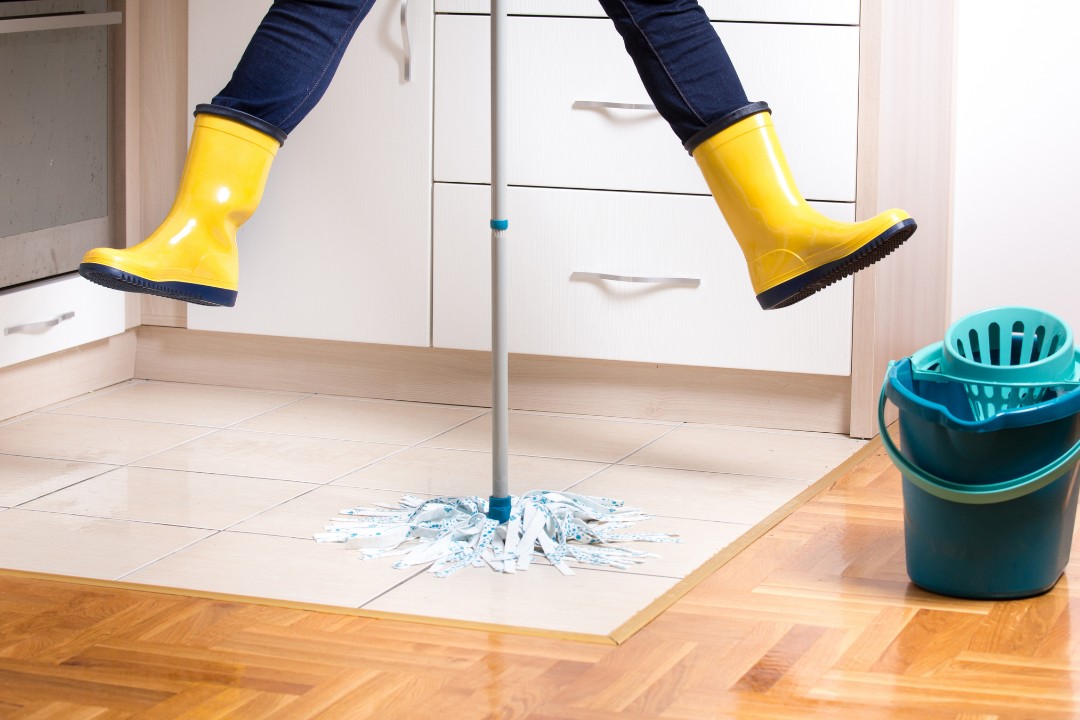
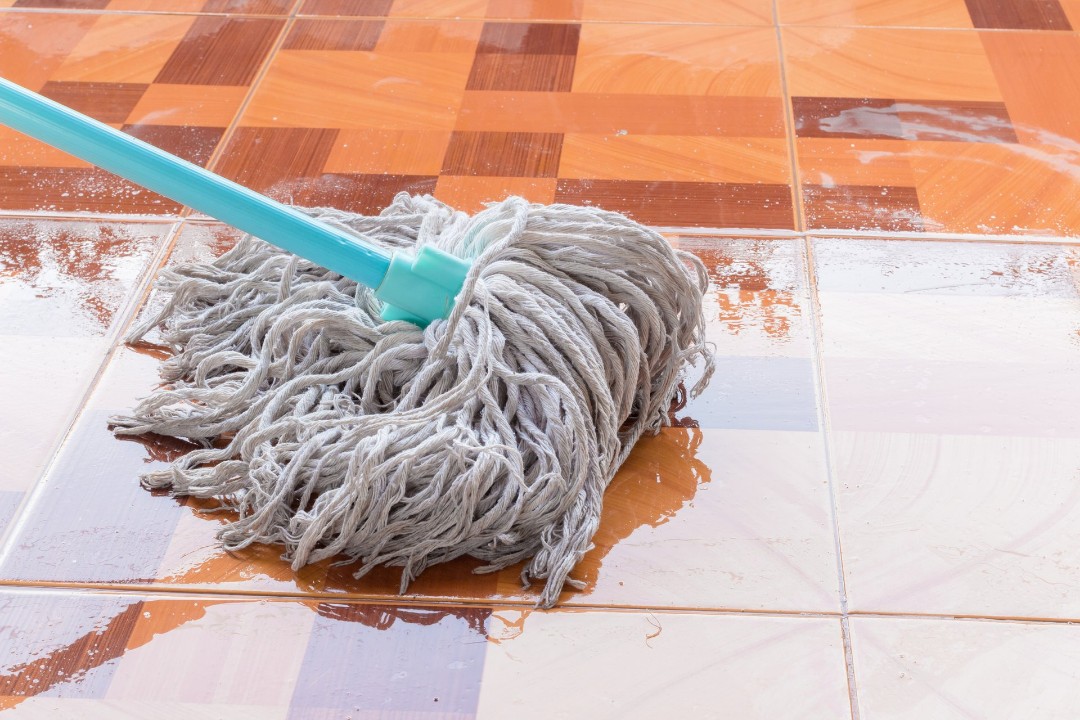
This is the most common reason tile floors still look dirty after mopping: traditional mopping often spreads dirty water across your floor rather than removing what's on it. The moment your mop head touches the floor, it picks up soil and carries it forward. If you're not changing your mop water frequently, you're essentially pushing it around in an increasingly dirty solution and redepositing grime across your tile surface with every pass.
Mopping often spreads dirty water into grout lines and low spots in the tile surface where it dries and leaves a residue film. That film looks dull immediately after mopping and gets worse with each cleaning. Standard mopping with a traditional string or sponge mop is particularly prone to this problem because the mop head holds onto soil and releases it back onto the floor as pressure is applied.
A microfiber mop performs better than older mop styles because it traps particles rather than dragging them across the floor. Changing your mop water more frequently, or switching to a two-bucket method where one bucket holds your cleaning solution and the other holds clean rinse water, reduces the amount of dirty water going back onto your tile surface.
Why You Should Sweep or Vacuum Before You Mop
Skipping sweeping or vacuuming before mopping is one of the most common tile cleaning mistakes homeowners make. When you mop over loose debris without sweeping first, you're turning dry dirt into a muddy mess that gets pushed into grout lines and dragged across your floor. Always sweep or vacuum the floor thoroughly before any wet mopping. Removing the dry surface layer of dust, hair, and grit before introducing water makes every other step more effective and keeps your mop water cleaner longer.

The Wrong Cleaning Products Leave Residue Behind
Many floor cleaners leave behind a thin layer of soap or detergent residue after the water evaporates. That residue is nearly invisible after the first cleaning, but it builds up over time. After weeks or months of regular mopping with the same product, you're mopping over a sticky, residue-laden surface that attracts more dirt between cleanings and makes floors look dull no matter how often you clean.
Cleaners contain soaps or detergents designed to lift soil, but without a proper rinse step, chemicals remain on the tile surface. Many homeowners don't rinse after mopping, which means residue from every prior cleaning session is still on the floor. That buildup is a large part of why tile floors look cloudy after mopping, particularly in kitchens and other high-traffic areas where cleaning happens most often.
The fix is to use a ph-neutral tile cleaner at the correct dilution and to rinse the floor with clean water after mopping. Rinse with clean water by going over the floor with a clean mop dampened only with water after your regular cleaning pass. That extra step removes any leftover cleaner from the tile surface and makes a noticeable difference in how the floor looks when it dries.
Vinegar and DIY Solutions Create Their Own Problems
Vinegar is widely recommended as a natural floor cleaner, but it's not a good choice for tile floors. Its acidity can dull the finish on glazed tile over time and degrade grout with repeated use. The short-term clean it provides comes at the cost of long-term damage to your tile and grout lines. Baking soda and water works better for spot treatment of stains without the acidic risk, but it's not a substitute for proper floor cleaning with a product formulated for tile.
Hard Water Deposits Make Tile Floors Look Cloudy
If your floors look clean when wet but immediately look cloudy or dull when they dry, hard water deposits are likely the cause. Hard water contains dissolved minerals, primarily calcium and magnesium, that are left behind on the tile surface as the water evaporates. Over time, those mineral deposits build up into a white or gray haze that sits on top of the tile and catches light in a way that makes the whole floor look dull even when it's freshly mopped.
Tap water in many areas of Minnesota contains enough mineral content to leave visible deposits on tile surfaces with regular mopping. The United States Geological Survey identifies regions in Minnesota that have hard to very hard water, revealing a real and widespread issue for local homeowners.
Addressing hard water buildup requires a cleaning solution specifically formulated to dissolve mineral deposits. Regular floor cleaners don't break down calcium and magnesium buildup effectively, but a cleaner designed for hard water residue, used periodically, makes a visible difference in how tile floors look after cleaning and helps surfaces stay cleaner longer between professional visits.

Dirty Grout Lines Make Clean Tile Look Dirty
Even if the tile surface looks clean, dirty grout lines make the whole floor look dirty. Grout is porous, which means it absorbs spills, oils, and cleaning product residue over time. Standard mopping does almost nothing to clean grout. The mop passes over the grout lines at the surface level but doesn't remove the staining and grime that have worked their way into the porous structure below.
Grout that has darkened, stained, or taken on an uneven color is one of the primary reasons tile floors look dirty no matter how often you clean them. Cleaning the tile surface thoroughly while grout lines remain saturated with years of accumulated grime creates a visual contrast that makes the whole floor look unkempt. You can scrub the tile spotless and still have a floor that looks neglected if the grout hasn't been properly cleaned.
For grout that has reached this point, household cleaning methods simply can't provide the deep clean needed to restore it. A paste of baking soda and water scrubbed into grout lines with a stiff brush can lift surface-level grime, but it won't remove staining that has penetrated deep into the porous material. It's important to understand what neglected grout leads to over the long term. Our article on the long-term effects of neglected grout maintenance covers exactly what's at stake when grout cleaning is neglected.
The Benefits of Clean Grout
Properly cleaned grout lines transform the appearance of a tile floor. When grout is clean and uniform in color, the tile surface looks intentional and fresh. When grout is stained and uneven, it pulls the entire floor down visually regardless of how clean the tile itself is. That's why professional tile and grout cleaning addresses both problems, delivering a result that surface cleaning simply cannot match.
Why Tile Floors Are Sticky After Mopping
Sticky tile floors after mopping are almost always a residue problem. Too much cleaning product, product that wasn't rinsed off, or a cleaner that isn't appropriate for the floor type all leave behind a sticky film that attracts dirt around foot traffic patterns almost immediately after drying. That stickiness is the surface tension of residue interacting with dust and debris in the air.
The solution is to reduce the amount of cleaner you use, always rinse with clean water after mopping, and make sure the product you're using is formulated for your specific tile type. Floors that have accumulated heavy residue buildup from months or years of mopping may need professional cleaning to strip the existing buildup before routine maintenance can be effective again.
When Mopping Can't Fix the Problem
For floors that look dirty no matter what cleaning habits you apply, the issue is usually buildup that has gone beyond what regular mopping can address. Depending on foot traffic and how long residue, mineral deposits, and grout staining have been accumulating, the floor may need professional tile and grout cleaning to reset it to a clean baseline.
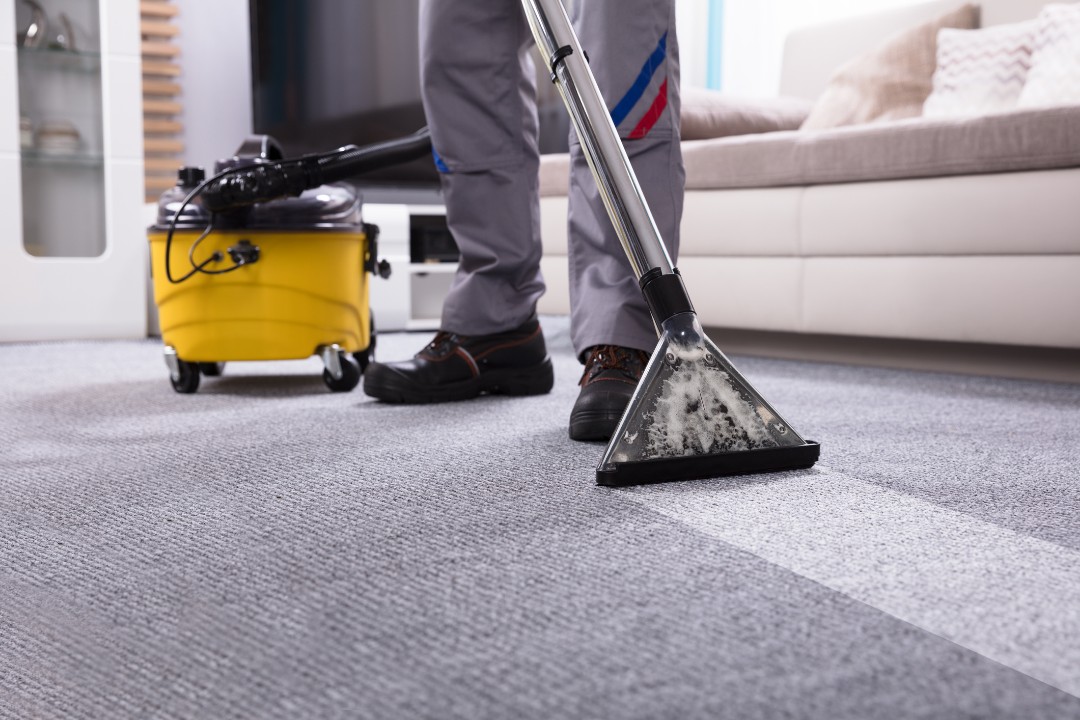
Professional tile and grout cleaning removes the embedded grime, mineral deposits, cleaning product buildup, and deep grout staining that household cleaning methods can't reach. High-pressure hot water extraction pulls contaminants out of grout lines at a level no mop or scrub brush achieves. The floor comes out deep clean, not just surface-clean, which is why the difference between a professional cleaning service and regular mopping is visible the moment the floor dries.
After professional cleaning, routine maintenance becomes effective again. Our guide on how to protect grout from stains after professional cleaning covers exactly what to do after a professional service to keep floors looking clean longer, and our article on common tile cleaning mistakes is worth reading before your next cleaning.
For most homes, professional floor cleaning once every one to two years is enough to stay ahead of the buildup that makes floors look dirty despite regular care. High-traffic areas, pet households, and kitchens may need professional cleaning service more often.
Call Revive To Make Your Tile Floors Look Clean
At Revive Home Services, our professional tile and grout cleaning service uses commercial-grade hot water extraction to remove the buildup that regular mopping leaves behind. We clean both the tile surface and the grout lines together, so your floor looks clean and stays easy to maintain between visits.
Schedule your tile and grout cleaning with Revive today, or give us a call!