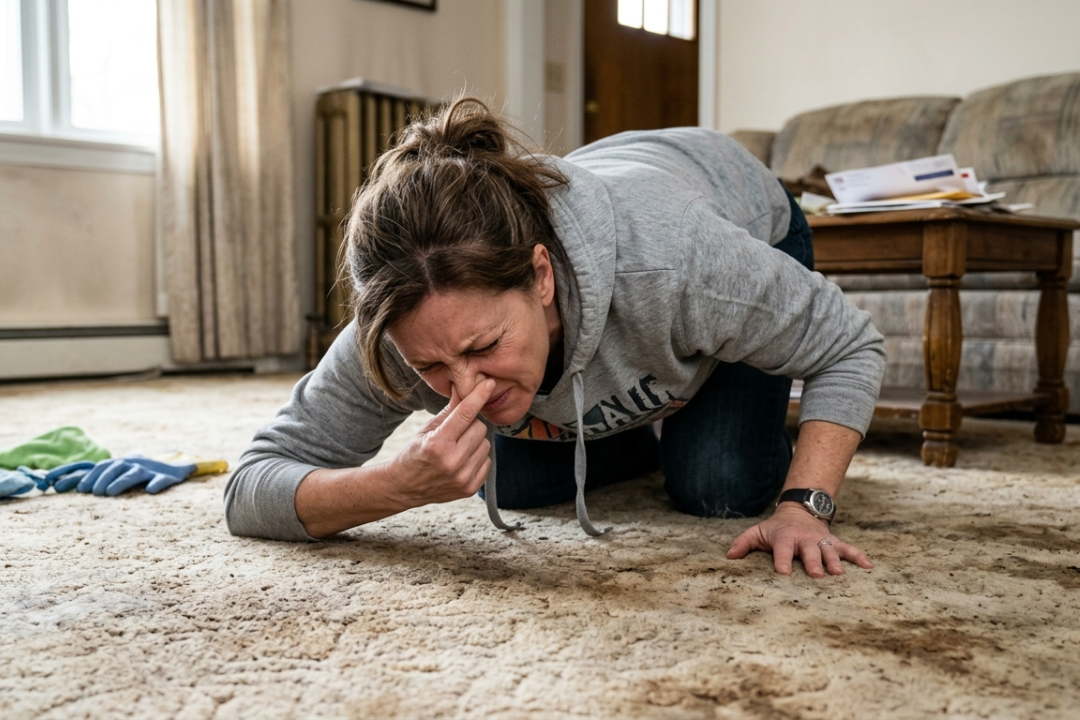

You’ve vacuumed. You’ve spot-cleaned. The carpet looks fine. Then July arrives in Minnesota, and suddenly your home smells like something you can’t quite identify but definitely don’t want guests to notice. If your carpet smell gets worse in humid summer weather, there’s a straightforward reason for it, and it has everything to do with how humidity interacts with what’s living inside your carpet fibers.
Humidity refers to the amount of water vapor present in the air. When indoor humidity rises during hot and humid summer months, that moisture in the air gets absorbed by everything porous in your home, and carpet is one of the most porous materials in any room. What follows is a chain reaction of odor-causing compounds activating, bacteria multiplying, and musty smells rising from places a vacuum or spray bottle simply can’t reach.
How Humidity Activates Odors Trapped in Carpet
Carpet Fibers Act Like a Sponge
Carpet fibers absorb moisture from the air during high humidity the same way they absorb spills from above. As humidity levels climb, the fibers draw in moisture content from the surrounding environment and hold it. That trapped moisture doesn’t just sit there neutrally. It activates everything already embedded in the carpet: dried pet accidents, old food spills, skin cells, dust, and organic debris that routine vacuuming hasn’t fully removed.
Dried residue that was odorless in dry conditions becomes a pungent odor source the moment it rehydrates. This is why carpet smell gets noticeably worse in humid weather even when nothing new has happened to the floor. The heat and humidity of a Minnesota summer are doing the work of pulling dormant odors back to the surface.
High Humidity Causes Bacteria to Multiply
Warm, moist carpet fibers create an ideal breeding ground for bacteria. Bacteria break down organic material trapped in the carpet, and the byproducts of that process are what produce unpleasant odors. In dry conditions, bacterial activity is slower and odor production is lower. High humidity causes that process to accelerate significantly. The same amount of organic debris that was barely noticeable in April becomes a serious odor problem by July when humid conditions give bacteria the moisture they need to thrive.
Skin cells, pet dander, food particles, and other organic matter build up in carpet fibers over time. In hot and humid summer conditions, that accumulated debris becomes a concentrated breeding ground for bacteria and microorganism activity that releases musty smells.
The Carpet Pad Problem
Why the Pad Matters More Than You Think
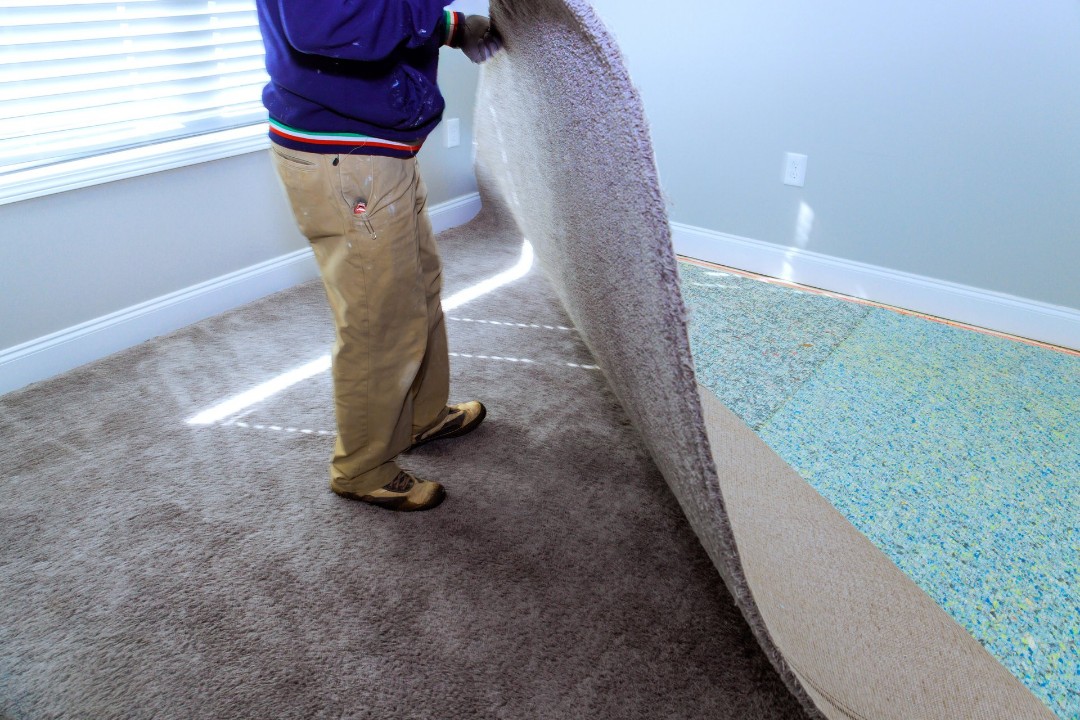
Most homeowners focus on the carpet surface when odors become a problem, but the carpet pad underneath is often where the worst sources of odor are hiding. The pad sits directly on the subfloor and serves as the foundation of your carpet installation. It’s also significantly thicker and more absorbent than the carpet fibers above it.
When spills, pet accidents, or moisture from the air work their way through the carpet fibers, the pad absorbs and holds that moisture like a reservoir. Because the pad has far less airflow than the carpet surface above it, it dries much more slowly. In humid environments, it may not fully dry at all. Trapped moisture in the pad creates conditions where mildew growth and bacterial activity continue uninterrupted well below the surface you can see or smell directly.
High humidity exacerbates this problem by slowing evaporation. The moisture content in the pad stays elevated longer during summer months, which means odor-causing compounds keep releasing into the air above the floor for extended periods. If a pet accident reached the pad at any point, the odor impact during humid weather will be far stronger than what you experienced in drier conditions.
Subfloor Dampness and Odor
In homes with basement carpet or ground-floor installation, subfloor moisture is an additional factor. Dampness rising from below during summer months can saturate the pad from the bottom up, creating a moist environment that the carpet above absorbs without any visible spill or leak ever occurring. Homeowners with basement carpet often notice their musty odors are worst in summer for exactly this reason. The climate below grade stays cool while surface temperatures rise, creating conditions where vapor moves upward into the carpet and pad consistently throughout the humid season.
Mold, Mildew, and What They Do to Indoor Air Quality
Mold and Mildew Growth in Carpet
Mold and mildew are fungi that thrive in moist, warm environments. Carpet provides the combination of organic material, warmth, and, in humid conditions, the moisture they need to grow. Mildew growth can begin in the carpet and pad within 24 to 48 hours of sustained dampness, and once mold takes hold in carpet fibers or the pad, it produces musty odors that intensify as humidity levels rise.
Mold in carpet isn’t always visible. It grows at the base of carpet fibers and in the pad where airflow is minimal, which means a carpet can have significant mold growth without any visible sign on the surface. The smell is often the first indication that something is wrong beneath the floor. If your carpet has a persistent musty smell that worsens during humid weather and doesn’t respond to surface cleaning, mold in the pad or at the fiber base is a possibility worth investigating.
Allergens and Air Quality
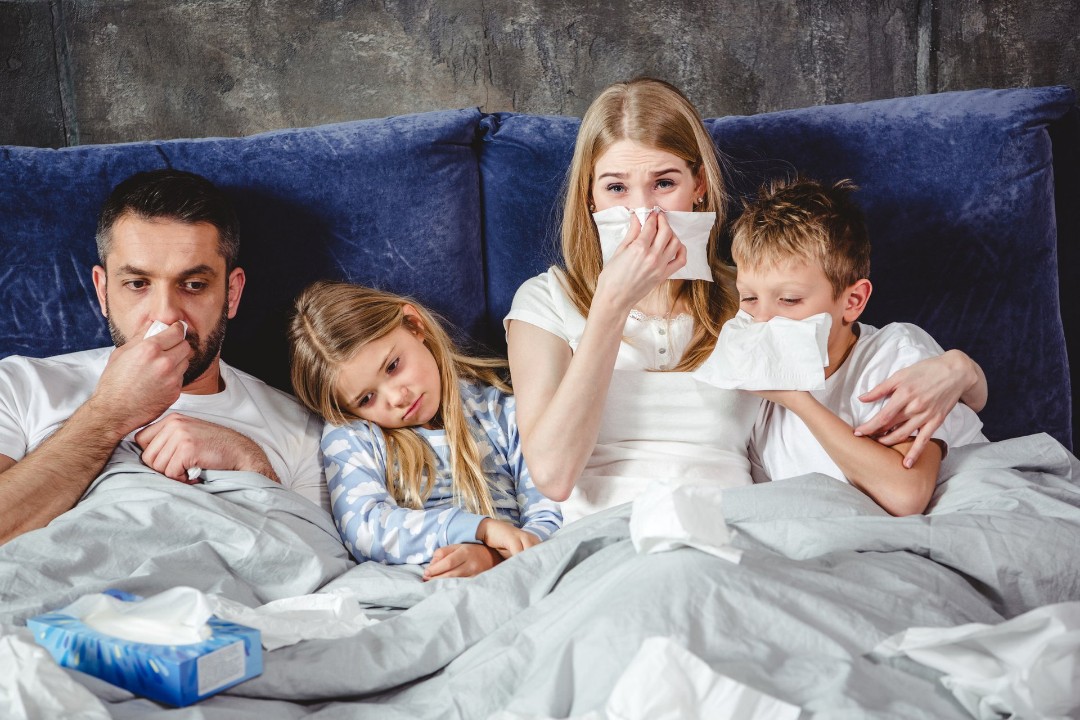
Mold spores, bacteria, and the byproducts of organic decay in humid carpet don’t stay in the carpet. They become airborne with every footstep, every air current from a ceiling fan, and every time someone sits or lies on the floor. That makes a musty, odor-producing carpet an air quality problem for the entire home, not just a smell problem localized to one room. For allergy sufferers, the combination of high humidity and carpet allergens makes summer particularly difficult indoors.
Pet Accidents and Humidity: A Particularly Bad Combination
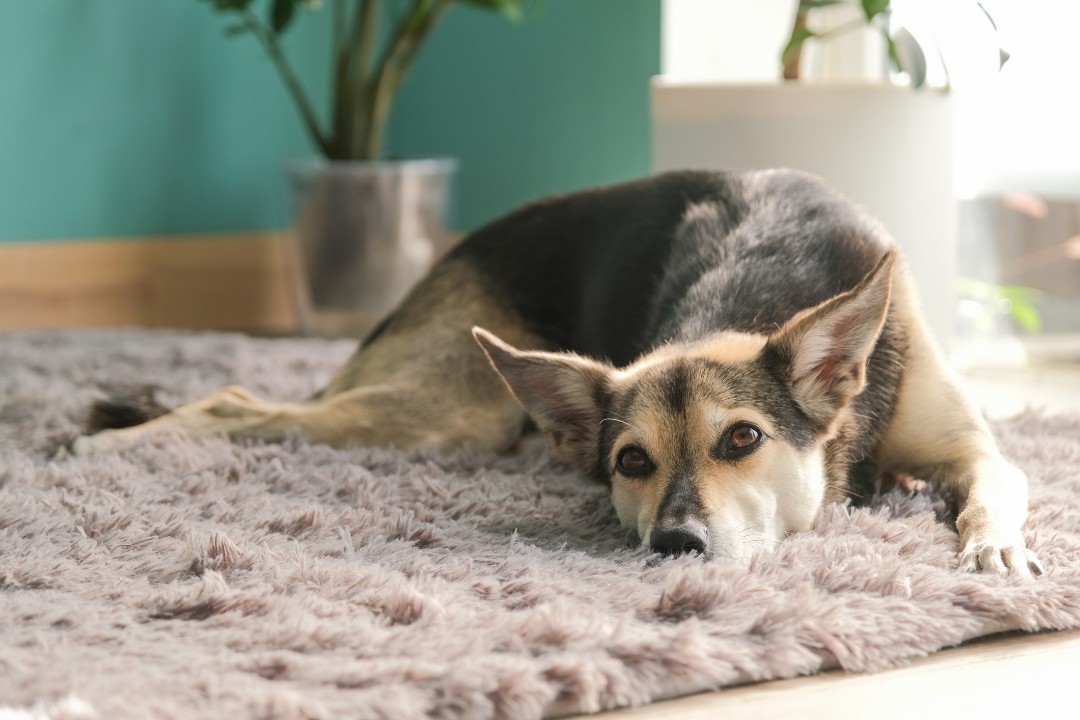
Pet urine is one of the most persistent odor sources in carpet, and humid weather makes the problem significantly worse. Urine that dried into the carpet fibers and pad after an accident will rehydrate when indoor humidity rises, reactivating the ammonia compounds and bacteria responsible for that distinctive, unpleasant odor. A spot that seemed fully cleaned and odor-free in spring can smell as strong as the day of the accident during a hot, humid July week.
This is one of the most common complaints we hear from pet owners during summer months, and it consistently traces back to urine that penetrated deeper than surface cleanup could address.
What Homeowners Can Do Between Professional Cleanings
Humidity control is the most effective tool available to homeowners for managing carpet odors during summer. Keeping indoor humidity below 50 percent significantly reduces the conditions that activate odor sources and support mold and mildew growth. A dehumidifier running in high-humidity areas of the home, particularly in basements and rooms with carpet, makes a measurable difference in how carpet smells during hot and humid months.
Proper ventilation in your home helps as well. Ensure proper ventilation by running bathroom and kitchen exhaust fans during and after activities that raise humidity levels. Air conditioning, which removes moisture in addition to cooling the air, is one of the most effective forms of humidity control.
Vacuum frequently during humid months to remove the organic debris that bacteria feed on. While vacuuming doesn’t remove odors that have already developed, it reduces the material available for future bacterial activity and keeps the carpet surface cleaner between deeper cleaning service appointments.
For spills and accidents, speed of cleanup matters more during humid conditions than at any other time of year. The faster moisture is removed from carpet fibers and pad, the less time bacteria and mold have to establish. Blot spills immediately, never rub, and dry the area thoroughly with a fan if needed before humidity in the air can slow evaporation.
Baking soda sprinkled over the carpet and left for several hours before vacuuming can help absorb surface odors as a temporary measure. It won’t address odor sources deep in the fiber or pad, but it can reduce the immediate smell between professional cleanings.

Why Professional Carpet Cleaning Is the Best Solution
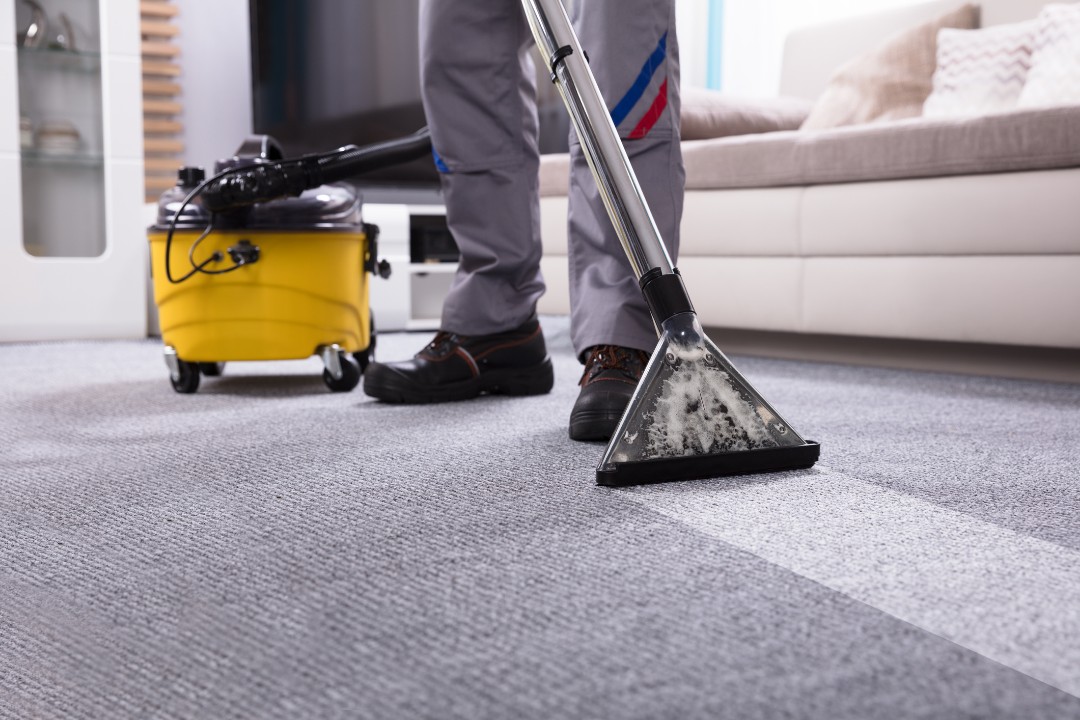
Surface treatments manage the symptoms, but professional carpet cleaning addresses the source. Professional hot water extraction reaches deep into carpet fibers and the upper layers of the pad, removing the bacteria, organic debris, pet residue, and moisture-holding buildup that routine maintenance leaves behind. That’s the material responsible for the odors that intensify every summer, and removing it at depth is what breaks the cycle.
Professionally cleaned carpet doesn’t just smell better immediately after the service. It stays fresher longer, responds better to routine care between visits, and is far less reactive to humidity because the odor-causing material that humidity activates has been removed. For homes with pets, children, or high foot traffic, professional carpet cleaning once or twice per year keeps summer odor problems from becoming the seasonal inevitability many homeowners assume they have to live with.
Revive’s professional carpet cleaning service uses non-toxic hot water extraction that removes deep odor sources and doesn’t leave any sticky residue behind. If summer humidity has your carpet smelling bad and surface cleaning isn’t making a dent, it’s time for a professional cleaning that targets the source.
Schedule your carpet cleaning with Revive today, or give us a call. A fresher home this summer starts with a cleaner carpet.