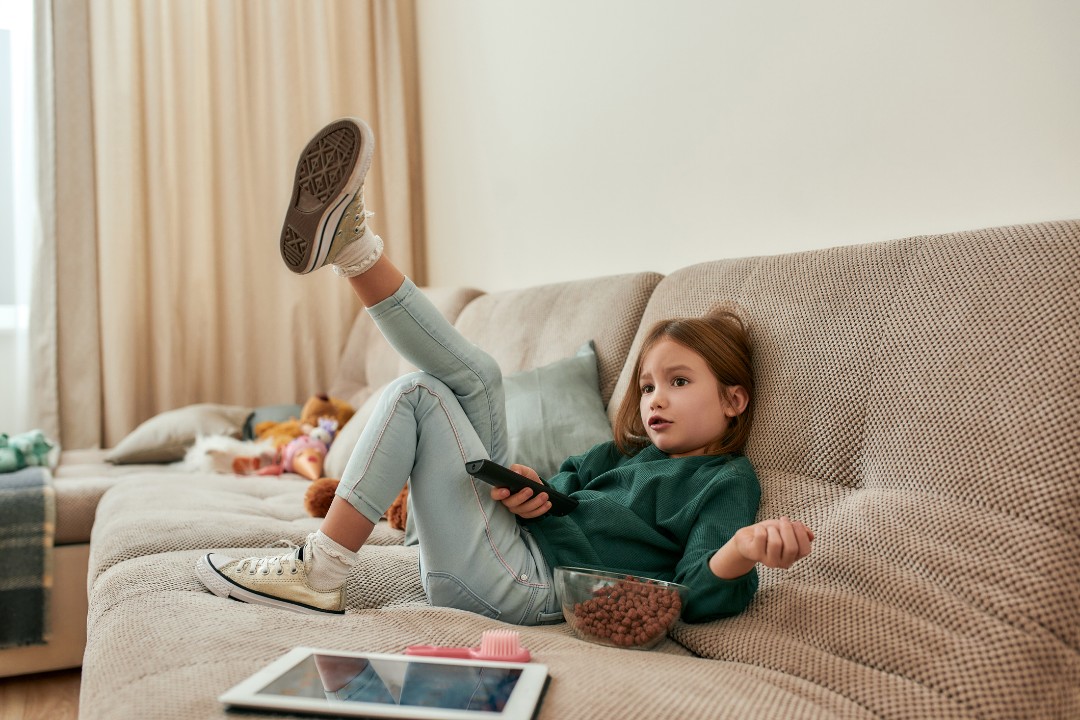

Your sofa takes a lot of love — and a lot of spills. From juice cups to muddy hands, upholstery cleaning (especially for families with kids) is a part of daily life, not just an occasional chore. The good news is, you don't need harsh products to keep your furniture clean. With the right cleaning method, the right tools, and a little know-how, you can keep your upholstery in good condition and your family safe from toxic products.
At Revive Home Services, we use upholstery cleaning solutions that are the safest and most effective for our customers across Minnesota. This guide covers child-safe upholstery cleaning methods, the best non-toxic upholstery cleaners, and when to call in professional upholstery cleaning for a deep clean.
Why Upholstery Cleaning Is Essential for Families
Cleaning a home takes more effort and precaution when young children are in the picture. Kids spend a lot of time crawling, napping, eating, and playing on sofas, chairs, and other upholstered furniture. Throughout the day, upholstery fabric on your sofa absorbs food particles, pet dander, allergens, and bacteria. Over time, these particles build up deep inside the cushions where regular vacuuming can't reach.
Though regular household cleaning can extend the life of your furniture, improve your indoor air quality, and prevent stains from setting permanently into the fabric, if you want to keep your upholstery looking its best, building a consistent upholstery cleaning routine is key.
For more on why routine care matters, check out our post on The Hidden Allergens in Upholstery and How to Remove Them Effectively.
Check Your Upholstery Fabric Label Before You Clean
Reading the Cleaning Codes on Your Furniture
Before applying a cleaning solution to any fabric, check the care tag on your furniture. Most upholstery fabric includes a cleaning code that tells you exactly what cleaning solution and method to use:
- W: Water-based cleaning solutions are safe to use.
- S: Dry cleaning or solvent-based products only; avoid water.
- WS: Both water-based cleaning and dry cleaning methods are acceptable.
- X: Vacuum only; no liquids.
Ignoring these cleaning codes can damage delicate upholstery, cause shrinkage, or leave water marks that are difficult to remove. Always check before you start cleaning.
Know Your Fabric Type
Microfiber and synthetic blends are generally forgiving and work well with water-based cleaning solutions, while cotton and linen upholstery fabric may need less moisture. Leather upholstery should be cleaned with specific leather-safe products. Velvet and suede are considered delicate upholstery and typically call for professional attention.
For a closer look at cleaning delicate upholstery, read our article offering Tips for Removing Tough Stains from Velvet and Suede Furniture.
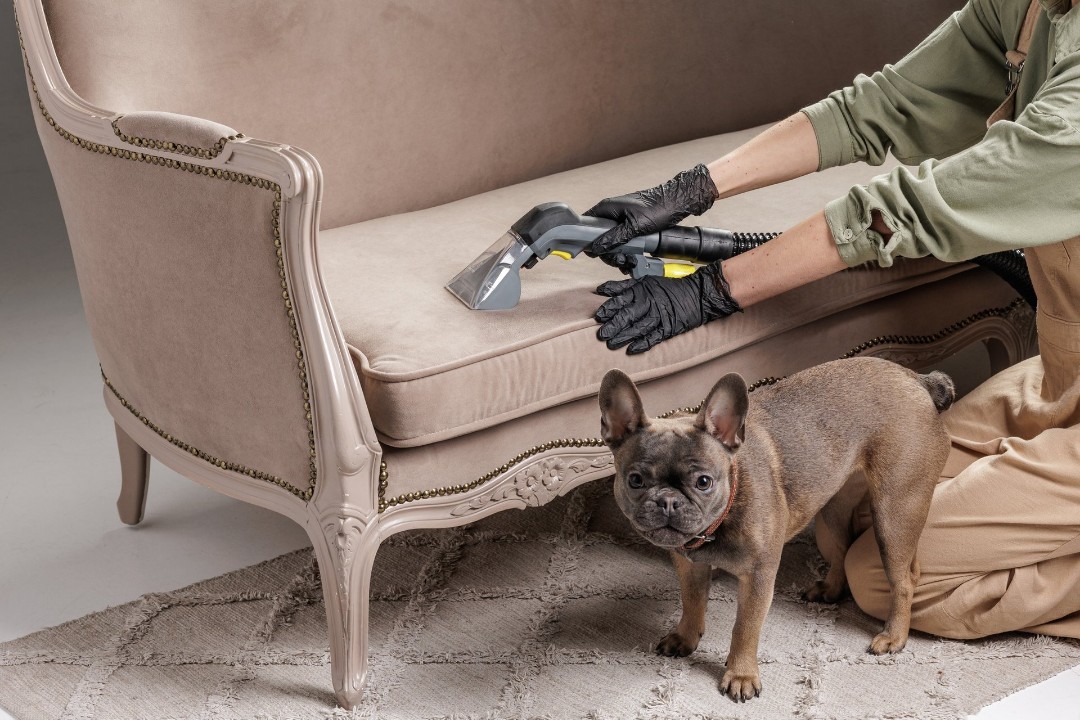
Child-Safe Upholstery Cleaning Methods You Can Use at Home
Step 1: Vacuum First, Every Time
No matter which cleaning method you choose, always begin by vacuuming. Use the upholstery attachment on your vacuum cleaner to remove loose crumbs, dust, and pet hair from the surface and seams. A vacuum cleaner with a HEPA filter is especially effective for capturing fine allergens and pet dander.
Vacuuming before applying any liquid prevents dirt from turning into muddy residue when it gets wet. Use your upholstery tool along every seam, under cushions, and around the base of the sofa. Make this part of your weekly cleaning routine to keep your upholstery looking fresh between deep cleans.
Step 2: Treat Spills with Spot Cleaning Immediately
For spills, it's important to act fast. Quick action is the single most effective form of kid-friendly upholstery stain removal. The longer a stain sits, the deeper it works into the upholstery fabric.
To clean upholstery after a spill:
- Use a clean white cloth and blot. Never rub a spill. Rubbing pushes the stain deeper into the fabric.
- Work from the outside edge of the stain toward the center to prevent spreading.
- Blot up as much of the liquid as possible before applying any cleaning solution.
- Apply a small amount of your chosen cleaner and continue to blot until the stain lifts.
Spot cleaning right away prevents the need for a full deep clean and keeps stains from becoming permanent fixtures on your sofa.
Step 3: Apply a Safe Cleaning Solution
For most fabric types, a mild dish soap mixed with warm water works well as a water-based cleaning solution for everyday stains. Use about one teaspoon of soap per cup of warm water. Transfer the solution to a spray bottle and mist the stained area lightly, taking care to avoid soaking the fabric.
Baking soda is one of the best DIY cleaning tools for upholstery care. Sprinkle baking soda over the surface of your sofa, let it sit for 15 to 20 minutes, then vacuum it up thoroughly. Baking soda absorbs odors and lifts surface grime without introducing any harsh chemicals into your home. It's a cleaning hack that every parent should use.
For eco-friendly cleaning products that are safe for kids and pets, the EPA's Safer Choice program provides a searchable database of certified cleaners, including upholstery cleaners, that meet rigorous health and environmental standards. If you're looking for the best non-toxic upholstery cleaners to use around children, the Safer Choice database is a reliable place to start.
How to Clean Upholstery When You Have Kids at Home — Room by Room
Living Room Sofas and Sectionals
The living room sofa gets the most wear and tear in any active home. A good upholstery cleaner routine for fabric sofas should include the following steps:
- Vacuum the entire sofa weekly using the upholstery tool.
- Blot spills immediately using the spot cleaning method above.
- Use baking soda monthly for odor control and light surface cleaning.
- Flip and rotate cushions regularly to distribute wear evenly.
Sectionals are especially prone to trapping crumbs and debris in the seams. Run your vacuum cleaner along every joint and under every cushion at least once a week.
Children's Furniture and Play Areas
Safe fabric cleaners for children's furniture should be free from harsh chemicals, strong fragrances, and residues that linger after cleaning. To identify the best non-toxic upholstery cleaners, check for products labeled as free from bleach, ammonia, and synthetic fragrances. These agents can irritate children's sensitive skin and airways, especially when used on furniture they spend hours touching and sitting on.
A simple, effective homemade cleaner for children's furniture combines one part white vinegar with two parts water. This DIY upholstery solution is safe, inexpensive, and effective on light stains and general odors. Test it on a hidden area first to confirm it won't affect the color or texture of the upholstery fabric.
Pet and Child Safe Upholstery Cleaning in Multi-Use Spaces
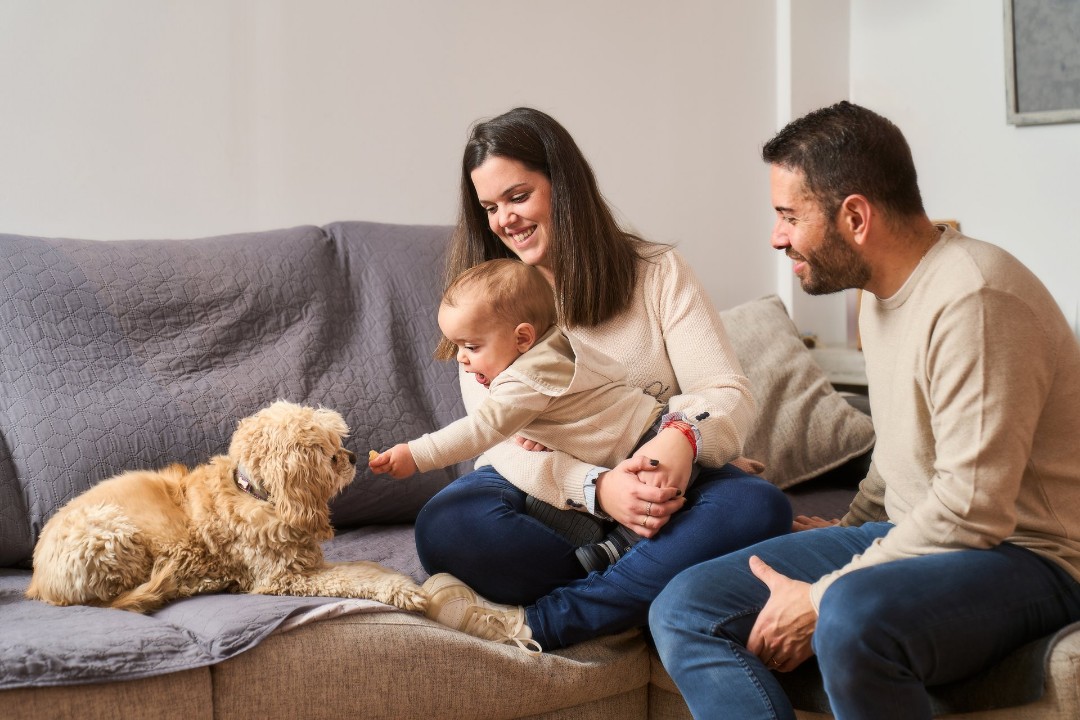
In homes where kids and pets use the same furniture, regular cleaning is even more important. Pet and child safe upholstery cleaning should incorporate non-toxic products that don't leave behind residue on surfaces your animals and children touch. For pet-related stains and odors, enzyme-based cleaners work well because they break down the organic compounds that create bad smells. Always confirm the product is labeled safe for both pets and children before applying it to your sofa.
Top Upholstery Cleaning Methods for The Best Results
Steam Cleaning
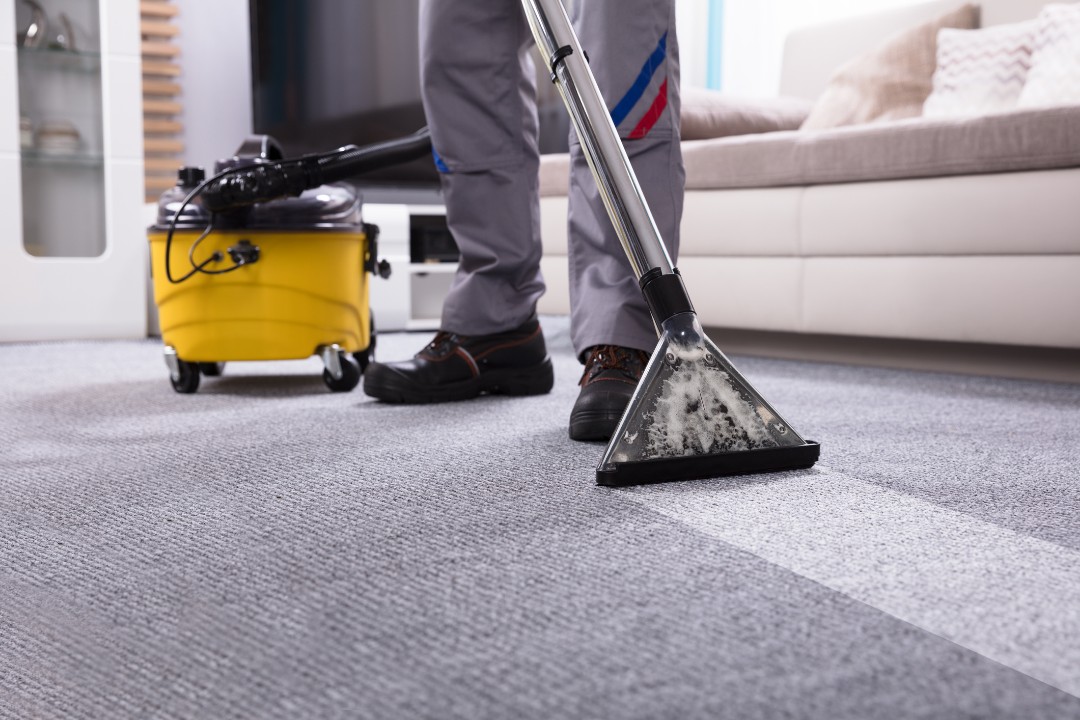
Steam cleaning is one of the most effective upholstery cleaning methods available for synthetic fabric types. A steam cleaner uses high-temperature steam to penetrate deep into fibers, killing bacteria and loosening embedded dirt without the use of chemical cleaners. Steam cleaning is a solid option for active homes and is generally considered safe for children once the fabric has fully dried.
If you own a steam cleaner or rent one from a local hardware store, follow the care tag instructions for your specific upholstery fabric. Avoid steam cleaning on delicate upholstery fabrics like silk, velvet, or loosely woven materials, as the heat and moisture can cause damage.
Low-Moisture and Dry Cleaning Methods
For natural fiber upholstery fabric such as cotton, wool, or linen (where too much water can cause damage), dry cleaning methods are the best approach. Low-moisture cleaning uses specialized products that encapsulate dirt and dry quickly, reducing the risk of shrinkage or water marks. This cleaning method is also useful when you need the furniture ready to use quickly.
DIY Cleaning Recipes That Actually Work
The best DIY upholstery cleaning solutions for young families tend to feature ingredients already found in most kitchens:
- Baking soda: Best for odors and light surface buildup.
- Dish soap and water: A reliable water-based cleaning solution for food and beverage stains.
- White vinegar and water (1:2 ratio): Good for general cleaning and mild disinfection on fabric sofas.
Homemade cleaners can be a cost-effective, family-friendly cleaning approach for routine maintenance. That said, they work best for surface-level issues. When stains go deep into the cushion padding or allergens build up inside the furniture, a more thorough approach is needed.
Upholstery Care Tips for Parents: Practical Cleaning Strategies
The following upholstery care tips can make a big difference in how clean and healthy a home feels day to day:
- Use washable slipcovers on sofas and chairs in high-use areas to reduce the frequency of direct fabric cleaning.
- Create a no-food zone on upholstered furniture to limit food-related stains.
- Keep a spray bottle with your go-to cleaning solution nearby so you can act fast when spills happen.
- Vacuum before and after events like playdates or family gatherings when your furniture sees extra use.
- Address pet and child stains right away. The longer a stain settles into the upholstery fabric, the harder it is to remove.
For more tips on keeping carpet and upholstery clean in homes with kids, read our post titled "Essential Tips to Keep Your Carpet Clean with Kids at Home" for a complete home clean strategy that covers both surfaces.
When DIY Isn't Enough: The Case for Professional Upholstery Cleaning
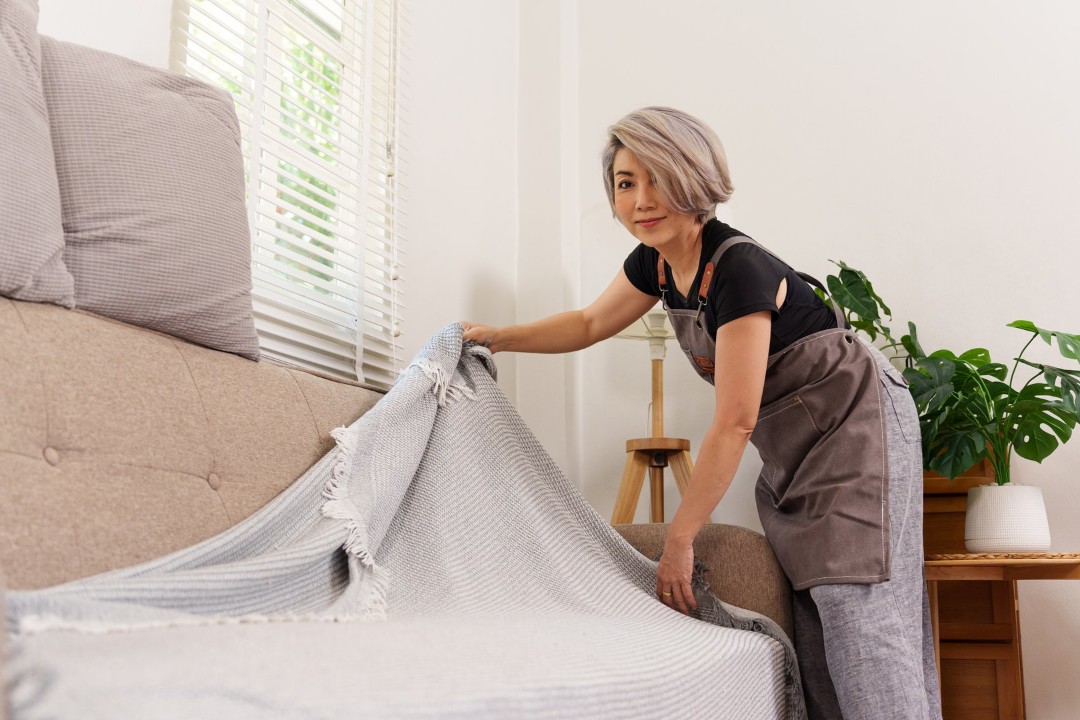
Over time, allergens, bacteria, pet dander, and deep-set stains accumulate inside your furniture in ways that spot cleaning and vacuuming simply can't reach. At that point, you need professional cleaning to finish the job.
What Professional Upholstery Cleaning Does, That You Can't
At Revive Home Services, our professional upholstery cleaning process is designed for families with kids and pets. Here's what sets it apart from DIY approaches:
Pre-Inspection and Pre-Treatment
Every cleaning starts with a thorough inspection of your upholstery fabric and a review of any problem areas. We apply specialized pre-treatment solutions tailored to your specific furniture and stain type before the main cleaning begins.
Hot Water Extraction: The Gold Standard for Synthetic Upholstery
For synthetic upholstery fabric, we use hot water extraction (also called steam cleaning) powered by a truck-mount unit. This method forces heated water and cleaning solution deep into the fabric and simultaneously extracts it along with dissolved dirt, allergens, and bacteria. It's the most effective method we use and leaves your furniture genuinely clean, not just surface fresh.
Low-Moisture Cleaning for Natural Fibers
For natural fiber upholstery fabric, we use very low moisture (VLM) cleaning methods that use encapsulation solutions and rotary tools to clean thoroughly without saturating the fabric. This is ideal for upholstery and fabrics that can't tolerate heavy moisture.
Stain Removal
Our stain remover treatments are specifically matched to the type of stain, whether it's juice, food, pet accidents, or something else. Knowing what made the stain dramatically improves our success rate. Our cleaning tools and solutions go far beyond what's available at a retail level.
Safety Pledge
All of the products we use are non-toxic and eco-friendly. Applying the cleaner safely and responsibly is something we take seriously. Our solutions leave no harmful residue on your furniture after we're done, so your family and pets can return to their favorite spots and routines.
How Often Should You Schedule Professional Cleaning?
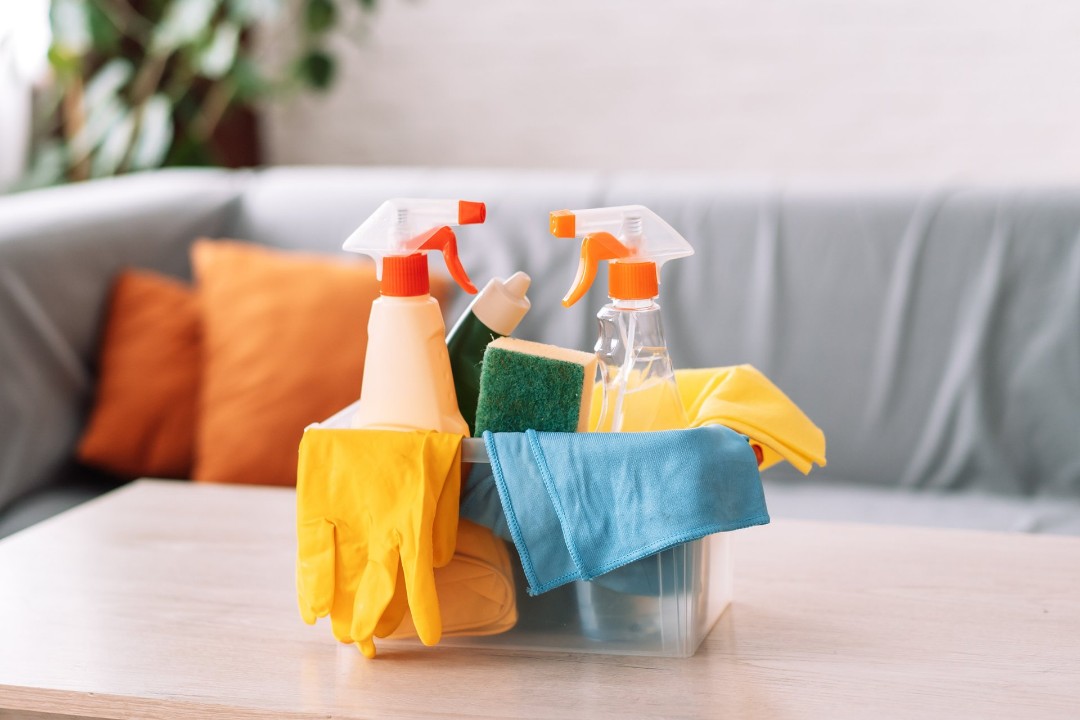
For most families, scheduling professional upholstery cleaning once a year produces the best results. If you have kids and pets, a very active home, or if someone in the household has allergies, every six months is a more effective cleaning strategy. Pair it with carpet cleaning to give your entire living space a thorough refresh.
Give us a call to schedule carpet and upholstery cleaning services together, for added convenience. It's a favorite cleaning option among the local families and households we serve.
Revive Helps Keep Your Home Clean, Safe, and Comfortable
Upholstery cleaning for families with kids doesn't have to feel overwhelming. With the right cleaning method for each situation — whether that's a quick blot with a cleaning solution, a weekly vacuum, a baking soda refresh, or a professional deep clean — you can protect your upholstery and your family, while keeping your home looking its best.
At Revive Home Services, we love helping Minnesota families enjoy a cleaner, healthier living space. Whether you want to clean upholstery on a single sofa or refresh every piece of furniture in your home, our team is ready to help. Browse our full resource library for more cleaning tips, or schedule your upholstery cleaning today.