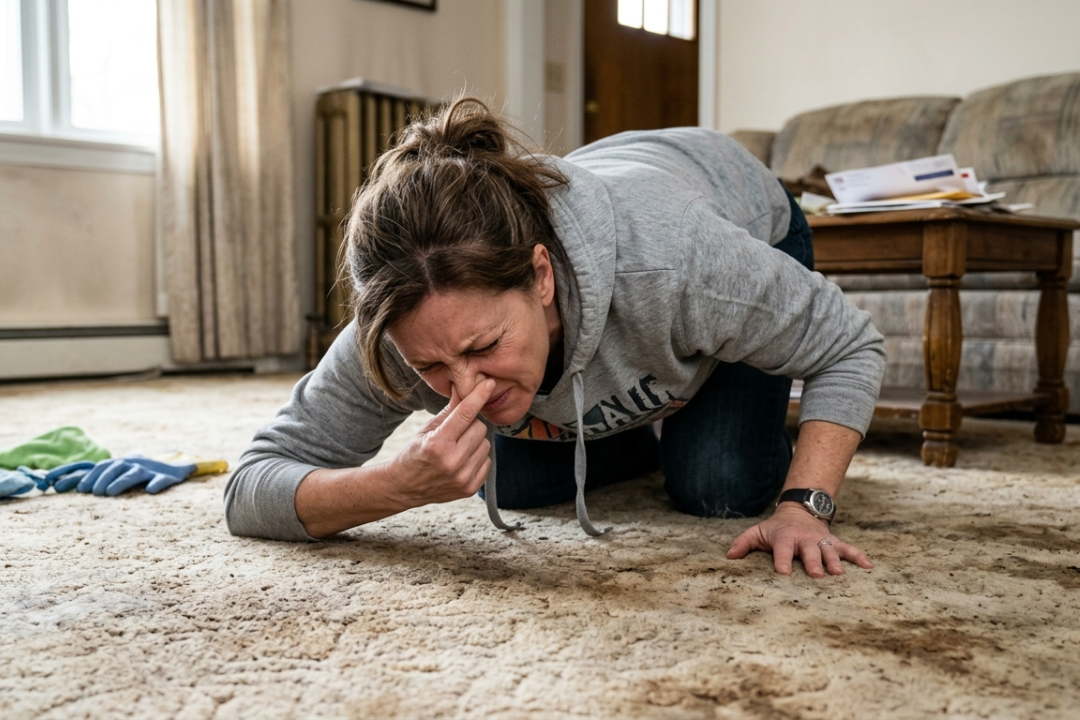
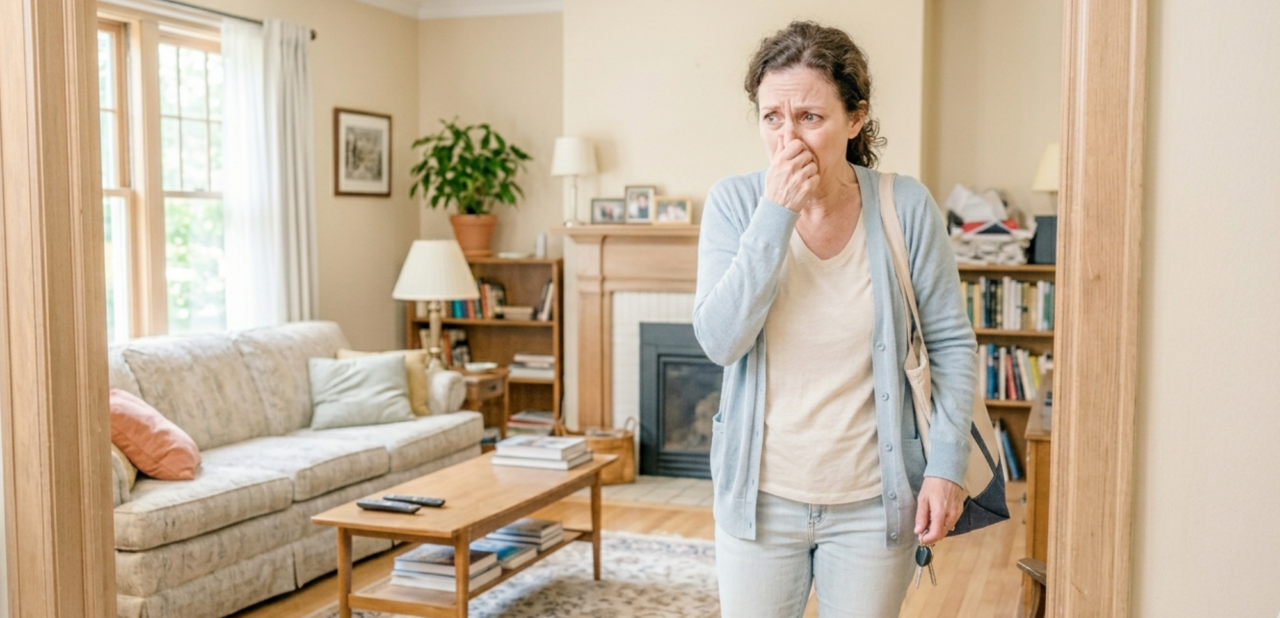

You’ve scrubbed the bathroom, vacuumed the carpet, wiped down counters, and taken out the trash. The house looks spotless, yet something still smells off. That persistent musty smell is one of the most frustrating things a homeowner can deal with, especially when routine cleaning doesn’t seem to get rid of it.
If you’ve been asking yourself why your home smells musty even after cleaning, the answer usually isn’t very obvious. Musty odors in a clean house almost always point to hidden causes, and recognizing them is the first step toward getting rid of the smell.
What Causes Musty Smells in a Clean House?
The common causes of musty smells in homes aren’t the kind of things you can see during a regular cleaning pass. They hide in porous materials, inside soft surfaces, behind walls, and in systems you rarely think about. A musty scent that persists after cleaning is almost always coming from somewhere routine cleaning can’t reach.
Hidden Moisture and Condensation
Excess moisture is the number one reason a house smells musty even when it looks clean. Moisture doesn’t have to come from a major leak or flood to cause a problem. Condensation behind walls, under sinks, or in poorly ventilated spaces like basements and crawl spaces and attics creates the kind of damp conditions where mold and mildew thrive.
High humidity levels throughout the home, especially in summer months or in naturally damp climates, keep surfaces and materials slightly moist for long periods. A whole house that stays at high humidity can start to carry that stale, musty air smell even without any visible mold growth. To help ventilate and circulate fresher air, run a dehumidifier in humid areas of the home and make sure windows and doors are opened when weather allows.
Poor Ventilation and Stale Air
Stale air is another common contributor to a persistent musty smell in your house. When a home doesn’t circulate air well, volatile organic compounds, moisture, and organic particles have nowhere to go. They settle into soft surfaces, linger in corners, and build up inside ventilation systems.
Poorly ventilated spaces like bathrooms, closets, and utility rooms are especially prone to trapping musty air. Regularly opening windows and using bathroom exhaust fans makes a difference in how a home smells over time.
Mold and Mildew Behind Walls and Under Surfaces
Noticing a musty smell in your house often points to mold or mildew growing somewhere you can’t see. Hidden mold behind drywall, under flooring, or inside ceiling cavities doesn’t need to be visible to affect how your home smells. Mold spores release musty odors into the air as part of their natural growth cycle, and those odors can travel far from their source.
Signs of mold aren’t always visual. If you’re addressing musty smells that seem to come from a specific wall, corner, or room, hidden moisture or mold may be the cause. In those cases, it’s worth exploring whether water damage or a slow leak has created a breeding ground for mold somewhere out of sight. If you suspect active mold, consider professional mold remediation rather than attempting to address it yourself, since disturbing mold without proper containment can release mold spores throughout your home.
Water Damage and Slow Leaks
Even a minor leak that seems to have been resolved can leave behind moisture or mold that continues to create a musty smell in your home long after the visible water is gone. Porous materials like wood framing, drywall, and the subfloor absorb water and hold onto it, leading to mold growth within a short time in the right conditions.
If you’ve had any water damage in the past, even something as minor as a slow drip under a bathroom sink, there’s a chance that area still holds moisture or mold that’s contributing to lingering smells throughout your home.

Why Does My Carpet Smell Musty After Cleaning?
Carpet is one of the most common causes of musty smells in a house, and one of the trickiest to address. Carpet fibers and the padding underneath trap all kinds of organic debris over time, including pet dander, food particles, tracked-in dirt, spills, and moisture. Even after cleaning the surface, the carpet padding beneath can hold onto odors and mold spores for a long time.
If your carpet smells musty even after cleaning, the padding is often where the smell is coming from. Routine vacuuming and spot cleaning remove surface debris, but they don’t reach deep into the padding where odor-causing buildup accumulates.
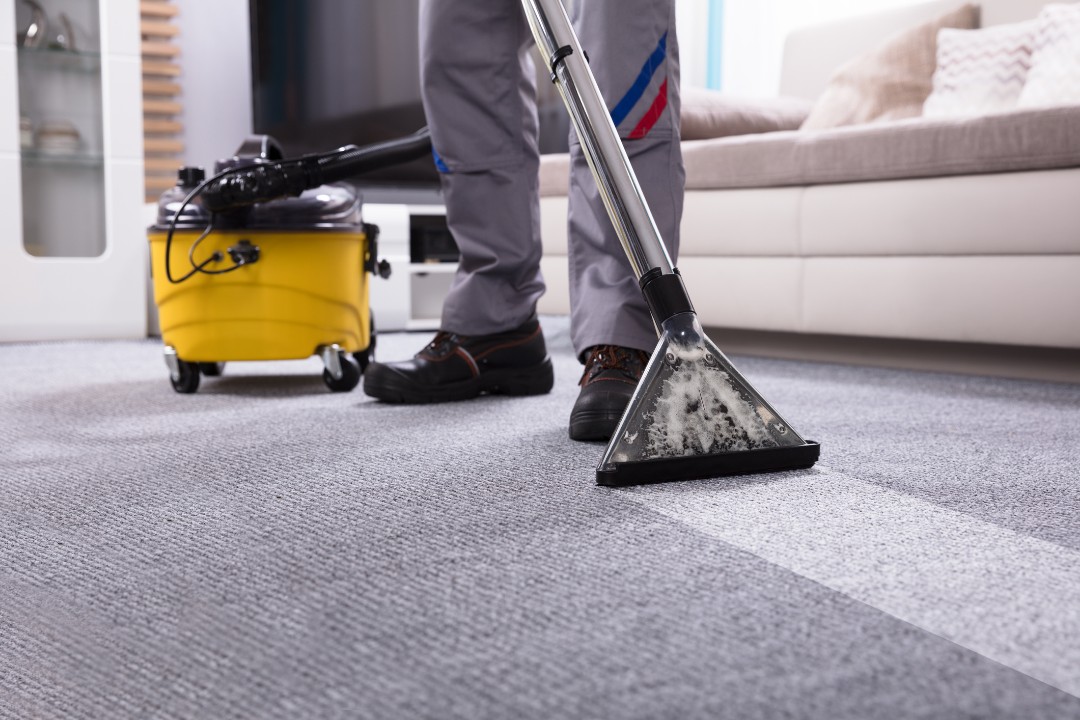
Professional carpet cleaning uses extraction methods that pull moisture, debris, and odor sources out of both the carpet fibers and the padding below, which is what’s actually needed to neutralize musty odors at their source rather than just masking them.
If you’ve noticed that mold smell coming from your carpeted areas, our article on how carpet cleaning helps prevent mold growth explains the connection between carpet moisture and mold issues, and how professional cleaning helps break that cycle.
Upholstery Holds Odors You Can’t Clean Away at Home
Sofas, chairs, and upholstered furniture are similar to carpet in that they’re made of porous materials that absorb oils, moisture, pet dander, and odor-causing particles over months and years of use. That buildup can create a musty odor that lingers in a room even when everything else is clean.
If you’re noticing a musty smell in a room that seems to come from the furniture rather than the walls or floor, the upholstery is likely holding onto odors that need more than a surface wipe-down. Air purifiers and sprays can temporarily mask the smell, but they don’t remove what’s embedded in the fabric.
Professional upholstery cleaning reaches into fabric fibers to extract the buildup that causes odors, leaving furniture smelling fresh rather than just temporarily neutralized.

Dirty Air Ducts Circulate Musty Smells Throughout Your Home
One of the most overlooked reasons why your house smells musty all the time is the HVAC system. Air ducts that haven’t been cleaned in a while can accumulate dust, mold spores, pet dander, and other particles. Every time the system runs, it can circulate musty smells throughout your home, pulling them into rooms that otherwise seem clean.
A duct that carries even a small amount of mold or mildew buildup can cause a musty smell in the house that seems to come from everywhere at once. This is especially common in homes that have experienced high humidity, a past leak, or extended periods without the HVAC system running.
Air duct cleaning removes the buildup inside your home’s ventilation system so the air circulating through your home isn’t picking up and spreading those odors room to room. For a deeper look at how this works, our article covering how dirty air ducts affect indoor odors breaks down the connection between duct buildup and the lingering musty smell many homeowners can’t seem to get rid of.
Pet Accidents and Hidden Organic Debris
Pets are another reason a house often smells musty even after a deep clean. Pet accidents that weren’t fully treated at the time can leave behind odor-causing bacteria deep in carpet fibers, padding, and even subflooring. Over time, those odors get worse, especially in humid conditions that allow mold to grow around the affected area.
Beyond accidents, pet dander and oils that accumulate on furniture, carpet, and bedding contribute to a persistent musty odor that builds gradually. By the time it’s noticeable, the source is usually embedded well below the surface.
If pets are part of your household, “The Pet Owner’s Guide to Keeping Your Home Clean and Odor-free” covers cleaning strategies and professional services that address odor sources rather than just covering them up.

Common Causes of Musty Smells: A Quick Reference
Here’s a summary of the reasons why a smell musty in your house can persist even when surfaces look clean:
- Excess moisture and condensation hiding in walls, crawl spaces and attics, or under flooring.
- Poor ventilation that traps stale air and lets humidity build up in enclosed spaces.
- Hidden mold or mildew growing behind walls, under carpet, or inside ceiling cavities following water damage.
- Carpet padding that holds onto moisture, mold spores, and organic debris below the surface.
- Upholstery buildup from oils, pet dander, and absorbed moisture that routine cleaning can’t reach.
- Dirty air ducts that capture mold spores and circulate musty air quality in your home every time the system runs.
- Pet accidents that weren’t fully treated and have been slowly releasing odors into the surrounding materials.
Understanding which of these is at play in your home helps you target the actual cause rather than trying to eliminate musty smells from the surface down.
How to Get Rid of Musty Smells in Your Home
Once you understand the causes of musty smells, the path forward starts to get clearer.
- Reduce humidity by running a dehumidifier in damp areas.
- Ventilate regularly by opening windows when possible and making sure exhaust fans in bathrooms are working properly.
- Check for any signs of a slow leak or past water damage that might still be holding moisture.
- And address the soft surfaces and ventilation systems that routine cleaning can’t reach.
For smells that smells persist even after taking those steps, homeowners will typically need professional services. To target the hidden causes that a mop and surface spray can’t touch, schedule professional carpet and upholstery cleaning that gets into fibers and padding, along with air duct cleaning that removes what’s been collecting in your ventilation system.

Let Revive Help You Get Rid of the Smell for Good
A lingering musty smell in your house isn’t just unpleasant. It’s usually a sign that something in the home needs more than routine cleaning to address. At Revive Home Services, our carpet cleaning, upholstery cleaning, and air duct cleaning services are designed to reach the sources of odors that hide below the surface and behind the walls of everyday life at home.
If you’re ready to stop masking the smell and start addressing what’s actually causing it, schedule your service with Revive Home Services today and let’s get your home smelling as clean as it looks.