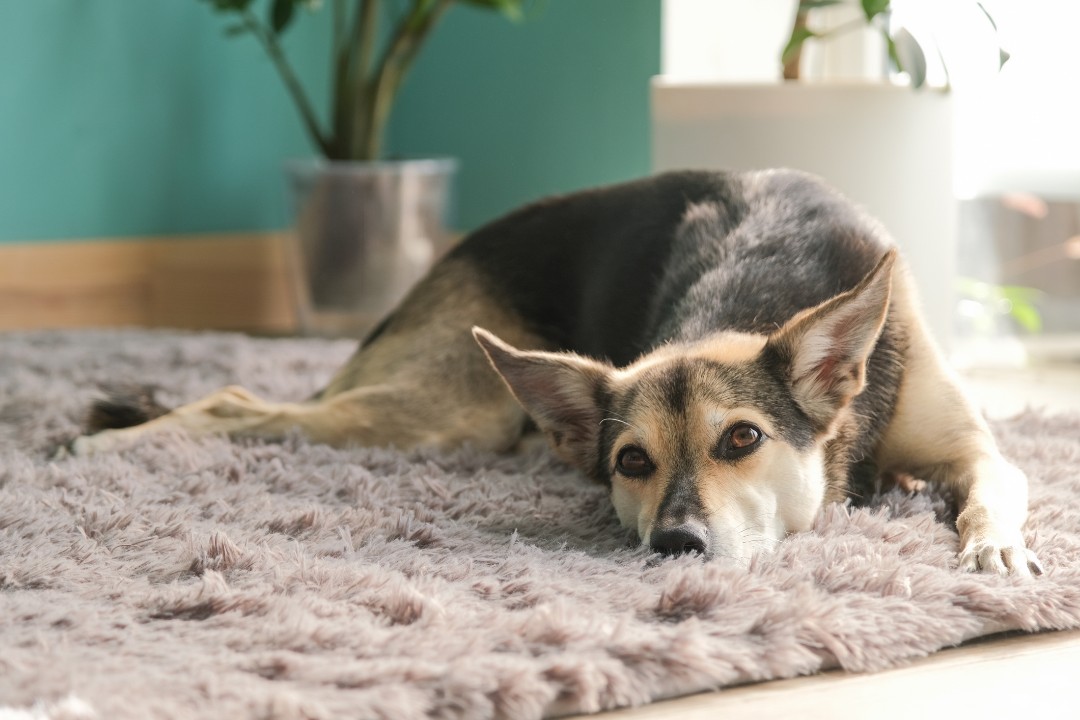

You cleaned the carpet. Maybe you used an enzyme cleaner, a rental machine, or a store-bought carpet cleaner. The smell seemed to go away, but a few days later it’s back, and worse than before. If you’ve been asking yourself why pet odor keeps coming back after carpet cleaning, the answer is almost always in what the cleaning didn’t reach.
Pet urine is one of the most difficult odors to fully remove from carpet, and the reason it keeps coming back has everything to do with where it goes when a pet urinates on carpet and how surface cleaning fails to follow it there.
Why Do Carpets Still Smell Like Pets After Cleaning?
The short answer is that most cleaning methods only address the carpet surface. Pet urine doesn’t stay on the surface. It soaks through carpet fibers, into the carpet pad beneath, and in some cases all the way down to the subfloor. When a cleaner only treats what’s visible on top, the odor source underneath remains untouched.
Urine Soaks Deeper Than You’d Expect
When a dog or cat urinates on carpet, the liquid spreads outward and downward almost immediately. The carpet fibers absorb as much liquid as possible before it passes through to the backing of the carpet and into the padding underneath. In cases of repeated accidents in the same area or older urine that was never fully treated, the pad becomes saturated and the subfloor can absorb urine as well.
A urine spot on the carpet surface may look small, but the area of the pad and subfloor that’s been affected is usually much larger. Cleaning the carpet surface doesn’t clean the pad, and the pad is often where the strongest odors are coming from.
Uric Acid Crystals Reactivate With Moisture
Urine contains uric acid, which is what makes pet odor so persistent. When urine dries, the uric acid doesn’t disappear. It forms crystals that bond to carpet fibers, the pad, and any porous surface within reach. Those crystals reactivate when they come into contact with moisture, which is why pet odor often comes back after cleaning or gets worse during humid conditions.
This is the core reason why pet odor keeps coming back even after the carpet looks dry and clean. The water used during the cleaning process reactivates the uric acid crystals, releasing odor again during drying time. If the underlying crystals weren’t broken down before or during cleaning, the smell returns as the carpet dries.
Surface Cleaning Can’t Break Down Uric Acid
Most DIY carpet cleaning methods, including carpet shampoo, standard carpet cleaner solutions, and rental machine extraction, don’t include the enzyme formulas needed to break down uric acid crystals at a molecular level. They clean the surface, reduce visible staining, and may temporarily mask the odor, but the uric acid remains in the pad and backing of the carpet, ready to reactivate the next time humidity rises or the carpet gets wet again.
Why Does Dog Urine Smell Return After Cleaning?
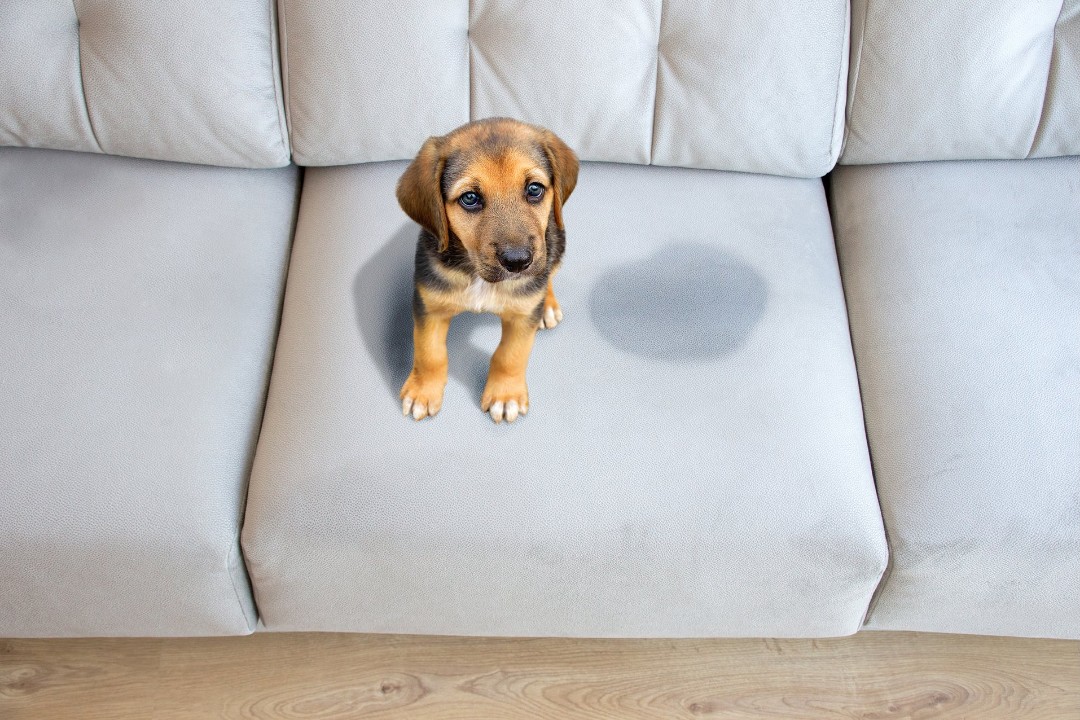
Dog urine is particularly challenging because of volume. Dogs typically release a larger amount of urine per accident than cats, which means more liquid penetrates deep into carpet, pad, and potentially the subfloor before it can be blotted up. Repeated accidents in the same spot compound the problem, with layer after layer of uric acid crystals building up in the padding underneath where no store-bought cleaner can reach.
Old urine that hasn’t been properly treated can be nearly impossible to address with surface cleaning alone. The crystals have bonded deeply into the fibers and pad, and the odor they release is stronger with each reactivation.
The Sponge Effect and Re-Soiling
A heavily saturated carpet pad works like a sponge. When water extraction during cleaning pulls moisture back up through the carpet, it can bring some of the urine back up with it, spreading the contamination through more carpet fibers than the original accident affected. This is one reason why carpets can smell like urine after cleaning in a broader area than the original urine spot.
Soapy residue from carpet cleaner solutions contributes to re-soiling after cleaning as well. Residue left in the fibers attracts dirt and debris back to the cleaned area, which is why carpets treated with store-bought products sometimes look dirtier faster than areas that weren’t treated at all.
Why Won’t Pet Smell Come Out of Carpet With DIY Methods?
DIY carpet cleaning has its limits, and pet urine odor is one of the clearest examples of where those limits show up. Understanding what’s working against you helps explain why cleaning efforts that seem thorough still don’t deliver results that last.
Incomplete Extraction
Rental machines and consumer carpet cleaners don’t have the suction power of professional carpet cleaning equipment. They extract some moisture and loosened debris, but not enough to pull deeply embedded urine, cleaner residue, and odor-causing bacteria out of the pad. What gets left behind continues to cause odors.
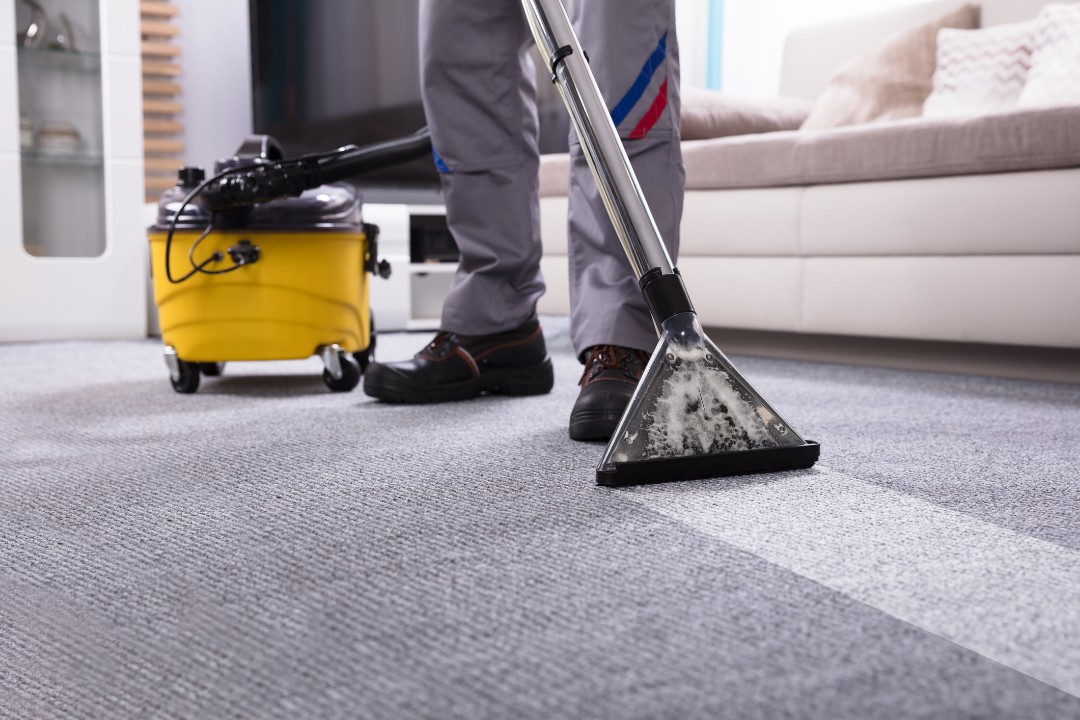
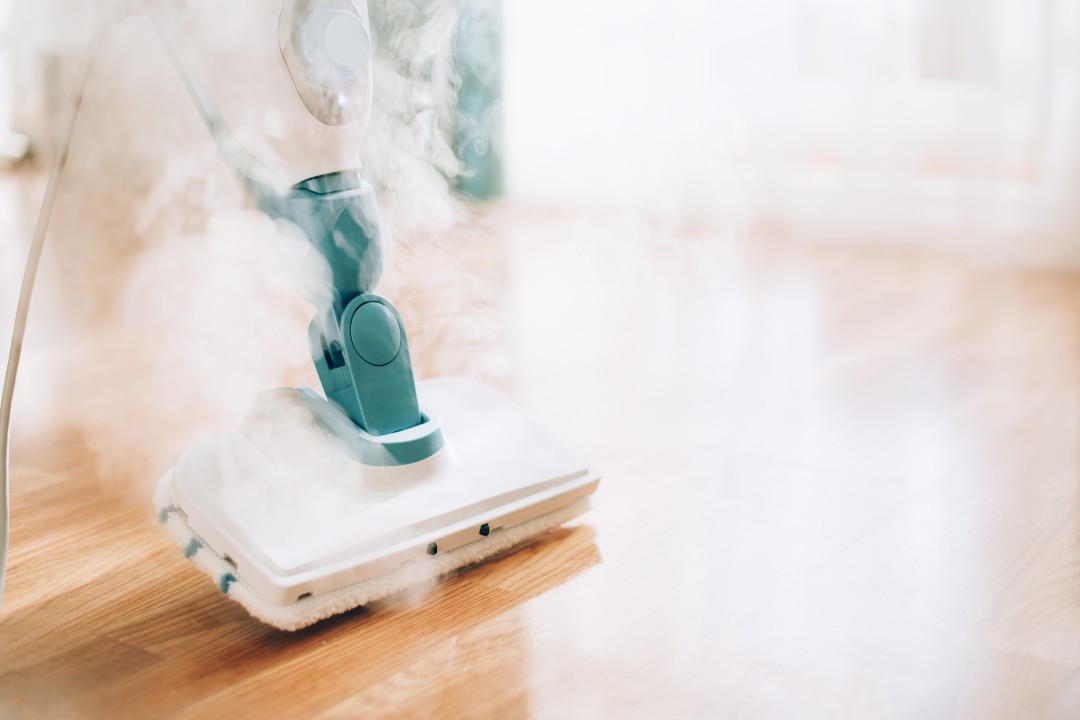
Hot water extraction using truck-mounted equipment, the method used by professional carpet cleaning companies, operates at a level of suction and water pressure that consumer machines can’t match. That power makes a big difference when the goal is to penetrate deep into carpet, the pad, and extract what’s been sitting there for months or even years.
Enzyme Cleaners Help, But Placement Matters
Enzymatic cleaner formulas break down uric acid crystals rather than just masking the odor. An enzymatic cleaner applied correctly can be effective, but only if it reaches the uric acid where it actually is. Spraying an enzyme cleaner on the carpet surface won’t address urine that’s soaked through to the pad and subfloor. The product needs to penetrate to the same depth as the urine to work.
Using enough solution and giving it enough time to absorb before extraction is also critical. Most homeowners don’t apply enough cleaner, don’t wait long enough for the enzymes to work, or don’t have the extraction equipment needed to pull it back out properly. The result is a partially treated problem that keeps coming back.
For a full breakdown of how to approach pet urine at each layer of the carpet, our article on how to clean and eliminate pet urine odor and stains from carpets, carpet pads, and subfloor goes through the process step by step so you understand what’s required at each level.
Knowing What Not to Do Is Just as Important
Some of the most common stain and odor treatment mistakes make pet odor worse or harder to remove. Scrubbing a urine spot spreads it deeper into the fiber. Using a cleaner without thorough extraction leaves soapy residue that traps new dirt and holds odor. Applying heat before the urine is fully treated can also permanently set the stain and bond the odor into the carpet fiber.
Our article on things you should never do with carpet stains covers these mistakes in detail so your cleaning efforts don’t work against you before a professional has a chance to treat the area correctly.
How to Find Hidden Pet Odor Sources
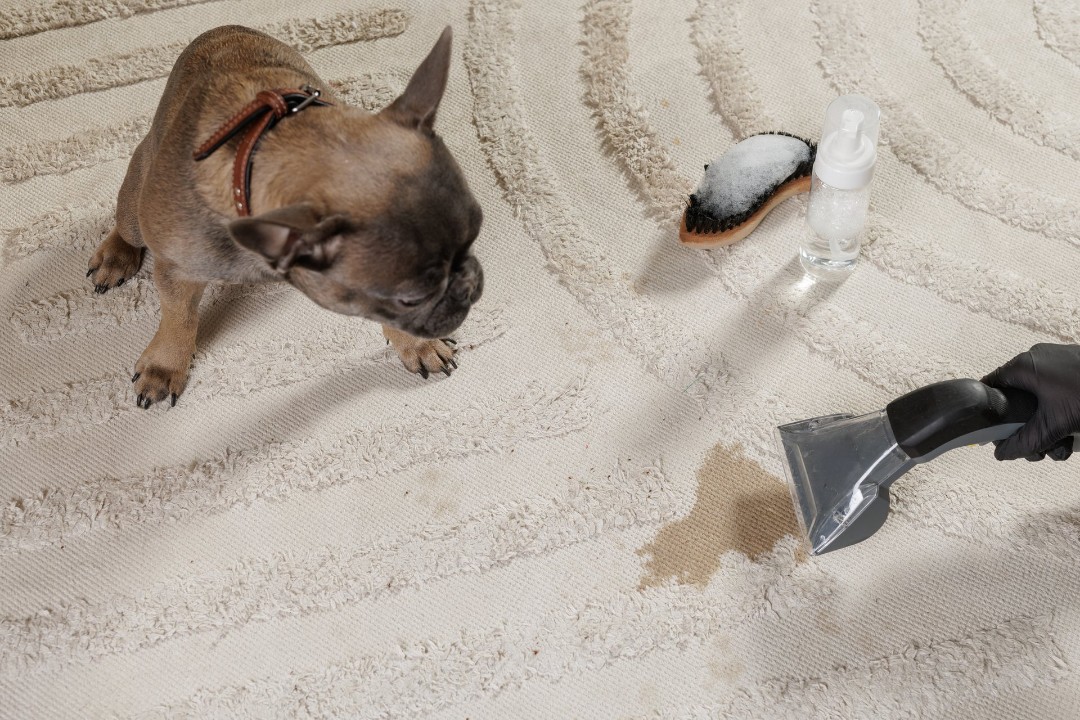
One reason pet odor keeps coming back is that homeowners often don’t know the full extent of where accidents have occurred, especially with multiple pets or older stains. A black light or UV light is one of the most reliable ways to find pet urine that’s dried and is no longer visible to the naked eye. Pet urine fluoresces under a black light, making it possible to identify urine spots along baseboards, in corners, and across carpet that looks clean in normal lighting.
Using a black light before cleaning helps you target the right areas rather than cleaning around a problem that’s still there. Carpet cleaning companies that specialize in pet odor treatment often use UV light as part of their assessment process to locate all affected areas before treatment begins.
For a complete guide to finding and treating pet stains of all ages, “The Ultimate Guide to Pet Stain Removal: Clean Urine Stains From Carpet” covers identification, treatment approaches, and when professional help is the right call.
When the Pad and Subfloor Need to Be Addressed
In cases of deep-set stains, repeated accidents in the same area, or old urine that was never fully treated, cleaning the carpet surface and even the pad may not be enough. When urine has reached the subfloor, the odor source is below everything a carpet cleaner can reach. In these cases, it may be necessary to pull the carpet back to treat or replace the pad and seal the subfloor before re-laying the carpet.
This level of treatment is beyond DIY carpet care. It requires the kind of assessment that carpet cleaning companies with experience in pet odor treatment can provide, along with the tools to address what’s found once the extent of the damage is clear.
What Professional Carpet Cleaning Does Differently
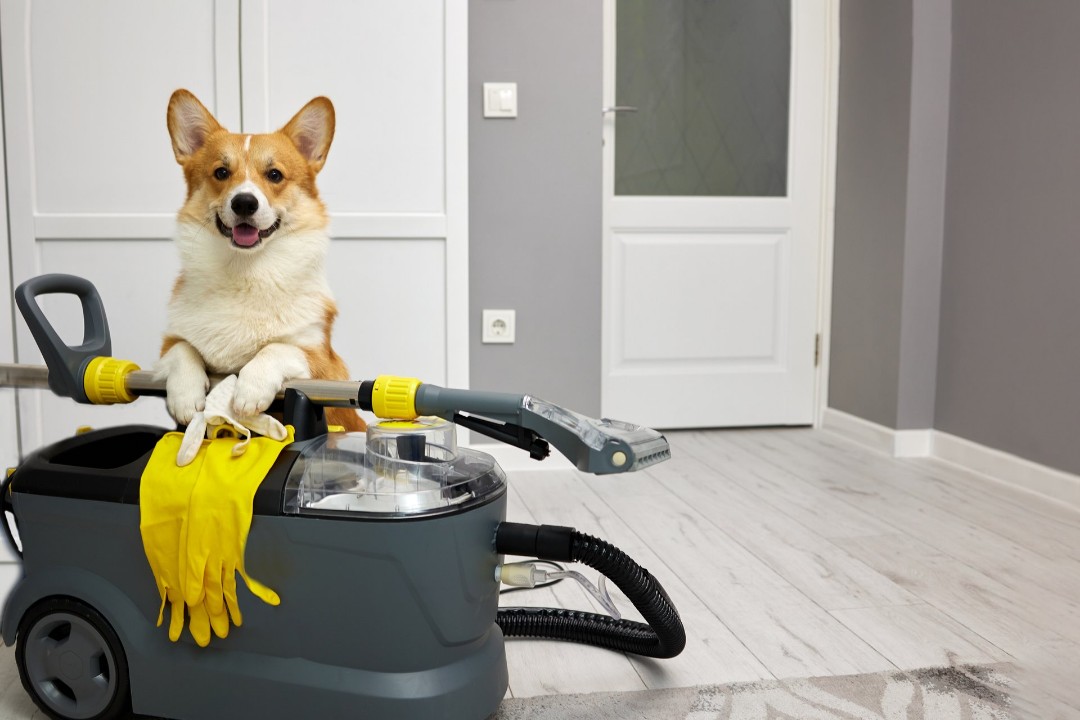
Professional carpet cleaning addresses pet odor at a level that surface cleaning and rental machine extraction can’t reach. Hot water extraction using truck-mounted equipment flushes the carpet fibers, carpet pad, and backing of the carpet with the water pressure and suction needed to pull contaminants out rather than redistribute them.
Professional carpet cleaners also use enzyme-based treatments applied specifically to pet areas before extraction, with enough solution and proper dwell time to break down uric acid crystals before they’re pulled out. The cleaning process is designed to follow the urine to where it went, not just treat the surface where it landed.
For homes with upholstery affected by pet odor, upholstery cleaning using similar extraction methods addresses the same buildup in furniture that carpets have on the floor.
If you want a full picture of how to keep your home clean and odor-free alongside your pets, “The Pet Owner’s Guide to Keeping Your Home Clean And Odor-Free” covers the habits, products, and professional services that work together to keep odors from coming back.
Carpet Care Between Professional Cleanings
In between professional carpet cleaning visits, here are a few habits to help keep pet odors from building back up:
- Blot fresh accidents immediately to absorb as much liquid as possible before it soaks deeper.
- Use a clean cloth, work from the outside of the spot inward, and don’t scrub.
- Apply an enzymatic cleaner to fresh spots and let it sit before blotting again.
- Open windows when weather allows to reduce indoor humidity and slow the reactivation of uric acid crystals.
- Vacuum high-traffic pet areas at least twice a week to remove dander, hair, and surface debris that contribute to odor.
- Use a UV light periodically to check for spots that need spot treatment before they become long-term problems.
These steps help manage pet odor between cleanings, but they work best as part of a routine that includes regular professional carpet cleaning to address what builds up below the surface over time.
Stop Pet Odor From Coming Back for Good
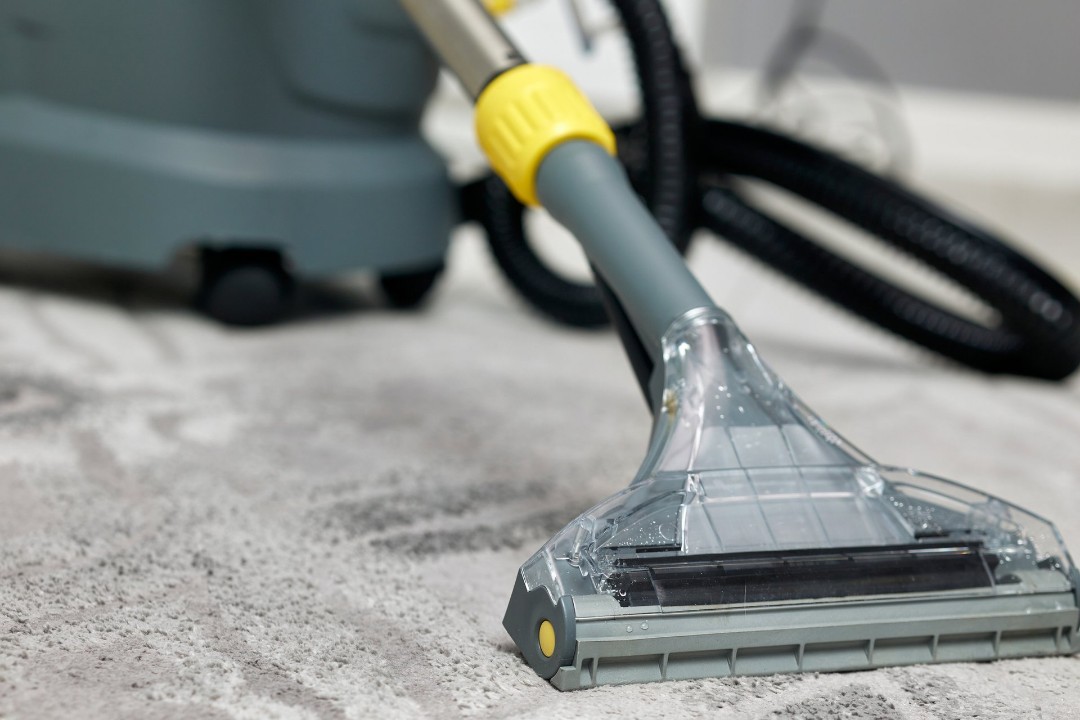
Surface cleaning and store-bought solutions can take the edge off pet odor, but they rarely stop it from coming back. The reason is simple: they don’t reach the source. Professional carpet cleaning with enzyme treatment and hot water extraction addresses pet urine at the source, which is in the pad, the fibers, and the backing of the carpet, so odors don’t just come back after the carpet dries.
If you’ve got pet odor that won’t go away, it’s time for a cleaning approach that matches the problem. Schedule your carpet cleaning with Revive Home Services today and let our team find the source of the odor and treat it the right way.