
Hard water might seem harmless, but over time it can leave stubborn stains and cause serious damage to your tile and grout.
The mineral deposits in hard water—mainly calcium and magnesium—build up on tile surfaces and in grout lines, dulling the finish and making cleaning a constant struggle.
Understanding how hard water stains form, how to remove them, and how to prevent them helps protect your home’s tile and grout for the long term.
What Is Hard Water and Why Does It Affect Tile and Grout?
Hard water contains high levels of minerals like calcium and magnesium. When water evaporates, it leaves behind these mineral deposits—often seen as chalky white spots or cloudy residue on tile and grout surfaces.
This mineral buildup becomes more noticeable around faucets, showers, and areas where water splashes frequently.
Over time, these hard water deposits can create a rough texture on the tile surface, causing soap scum and grime to cling more easily.
The result is not only an unsightly appearance but also long-term hard water damage that can lead to grout deterioration and discoloration.
Signs of Hard Water Stains on Tile and Grout
If your shower, kitchen backsplash, or bathroom floor looks dull even after a good cleaning, hard water may be to blame.
Here’s what to look for:
- Unsightly white spots or hard water marks on tile
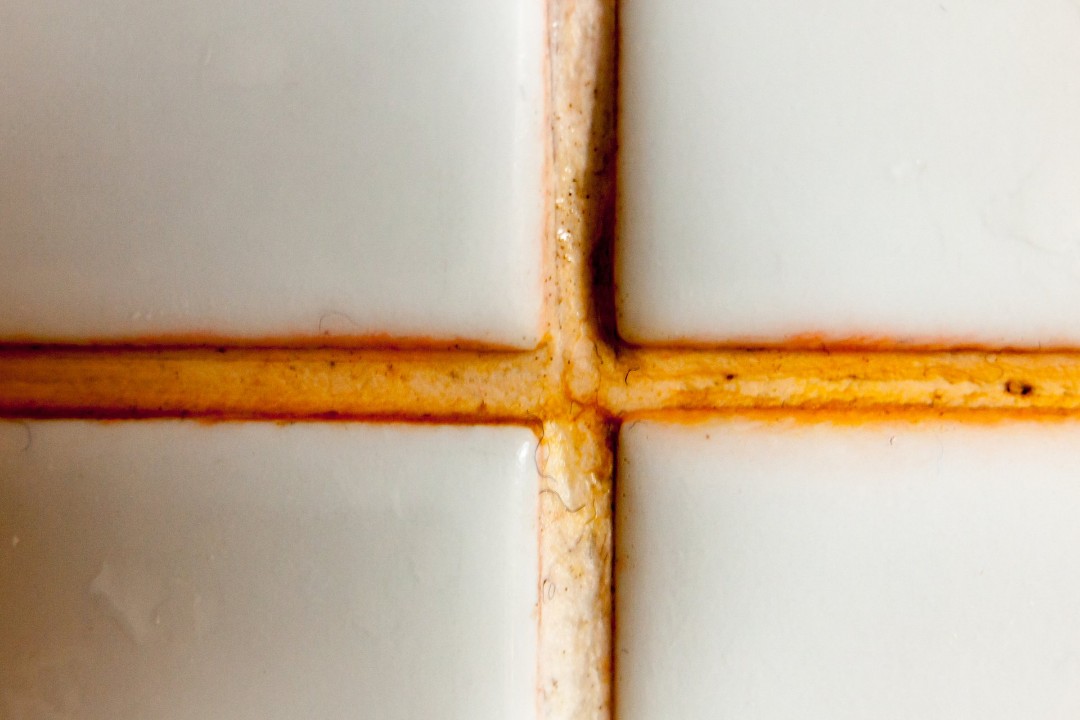
- Brown stains around grout lines or near the base of fixtures
These stains differ from dirt or mold—they’re caused by coatings of iron, calcium, and magnesium that cling to your surfaces.
Left untreated, these stains from tile and grout can harden into a crust-like layer that’s nearly impossible to remove without the right cleaning tools.
The Hidden Damage Hard Water Causes
Hard water does more than leave marks—it actively breaks down your surfaces.
The effects of hard water on tile and grout include deterioration of grout over time, trapped moisture leading to mold and mildew growth, small cracks that allow water damage to spread beneath the tile, and a weakened grout surface due to overuse of acidic cleaners.
Regular scrubbing can make matters worse, especially with abrasive pads or harsh chemicals.
These can erode the grout surface and strip away protective sealants. Once the tile grout is compromised, it becomes more porous and vulnerable to staining and bacteria.
How to Remove Hard Water Stains from Tile and Grout
You can start by removing hard water buildup using safe DIY solutions.
Here’s a gentle approach for homeowners:
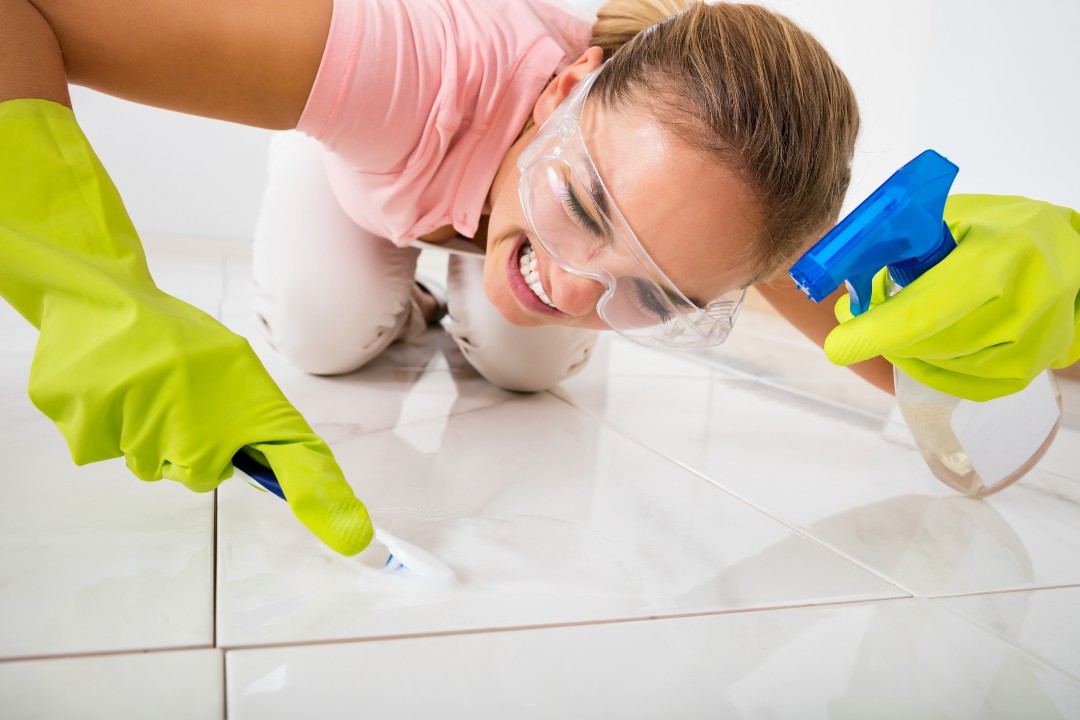
- Mix equal parts white vinegar and water in a spray bottle.
- Spray the solution generously on the affected tile and grout.
- Let it sit for 5–10 minutes so the acids will dissolve the calcium buildup.
- Use a stiff brush or grout brush to scrub the tile surface gently.
- Rinse thoroughly with clean water and dry the area completely.
For particularly stubborn mineral stains, commercial products like CLR or the best hard water stain remover can help, but always test in a small area first.
Avoid overuse of acidic cleaners, as they can damage the grout surface if used too often.
Even with consistent maintenance, home remedies have limits. Once mineral buildup becomes hardened, it’s time for professional help.
Professional Tile and Grout Cleaning: The Most Effective Way to Restore Your Surfaces
When stains won’t budge, it’s time to call in professionals like Revive Home Services.
Their tile and grout cleaning service uses advanced tools and safe cleaning agents to effectively remove hard water stains without harming your surfaces.
During a deep cleaning, Revive’s technicians use specialized equipment to break down stubborn mineral deposits and extract dirt trapped in your grout pores.
Once cleaned, they seal the grout with a durable sealer that prevents future hard water deposits and staining.
Professional grout cleaning services don’t just make your floors look new—they extend their life by minimizing ongoing hard water damage and protecting against discoloration.
Whether you’re cleaning tile floors or shower walls, Revive’s tile and grout cleaning service brings lasting shine and peace of mind.
Tips to Prevent Hard Water Stains in the Future
After your surfaces are restored, keep them that way with these preventative steps:
1. Wipe tile dry after every shower to reduce water deposits on tile
2. Install a water softener to minimize hard water on your tiles
These simple corrections can significantly reduce hard water stains from tile and grout discoloration, keeping your bathroom and kitchen surfaces spotless year-round.
Why Choose Revive for Tile and Grout Cleaning in Minnesota
Revive Home Services has built its reputation on expert cleaning tile and grout, hardwood floors, carpet, and air ducts throughout Minnesota.
Homeowners trust their friendly team for professional tile and grout cleaning that not only removes stains but restores shine and cleanliness.
With years of experience handling stubborn mineral buildup and hard water damage, Revive uses safe, eco-friendly cleaning solutions and cutting-edge tools designed for both floors and walls.
Their technicians understand how to remove stains, minimize damage, and protect your home’s surfaces from future deterioration.
Visit their Tile and Grout Cleaning page to learn how their process works, or explore their About Us page to meet the team behind Minnesota’s trusted cleaning service.

Ready to Restore Your Tile and Grout?
If you’re tired of scrubbing and still seeing hard water stains, it’s time for a deeper clean.
Let the professionals at Revive Home Services handle the job.
Schedule your tile and grout cleaning today or contact us directly here: Contact Revive Home Services
Your tile deserves to shine again—let Revive bring back its natural beauty.